
US to resume Mexican cattle imports after lifting screwworm ban
Reopening is expected to ease tight cattle supplies while remaining subject to disease control measures.
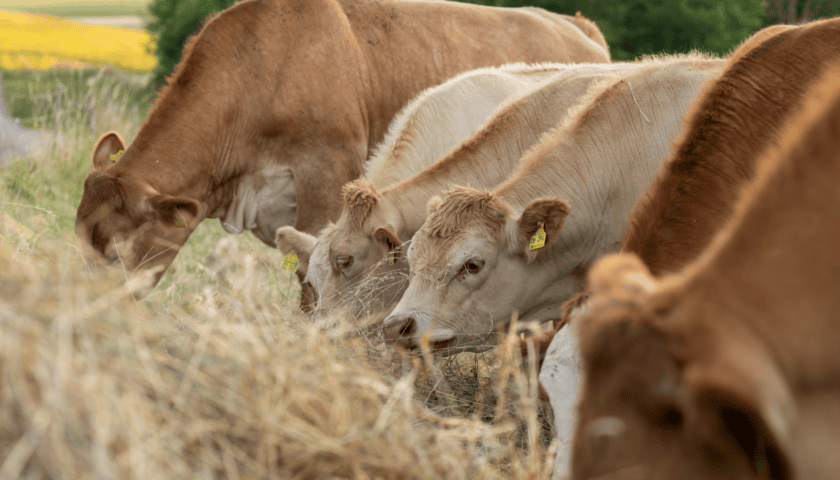
USA – The United States Department of Agriculture (USDA) has announced it will lift its ban on Mexican cattle imports, ending restrictions that were introduced more than a year ago to prevent the spread of the New World screwworm.
The phased reopening will begin in 30 days at the Douglas port of entry in Arizona, with two additional border crossings in New Mexico expected to follow as long as Mexico continues implementing agreed screwworm control measures.
The USDA said the gradual approach reflects progress in managing the livestock pest and will allow trade to resume while monitoring animal health conditions.
The New World screwworm is a parasitic fly whose larvae feed on the living tissue of warm-blooded animals after eggs are laid in open wounds or mucous membranes, often causing severe injury or death if left untreated.
The import suspension had contributed to record US beef prices by tightening cattle supplies, although the measure ultimately failed to prevent the pest from reaching the United States after cases were detected on farms in Texas and New Mexico in June.
Mexican President Claudia Sheinbaum said she had instructed authorities to accelerate preparations for the resumption of livestock exports, with shipments expected to restart during the final weeks of August.
Texas Agriculture Commissioner Sid Miller welcomed the decision to resume imports but said the border should have reopened earlier because the prolonged closure disrupted supply chains, created uncertainty and placed additional pressure on cattle producers.
Miller also argued that the federal response to the screwworm threat should be expanded, saying current control efforts have not matched the scale of the risk facing the livestock sector.
The Meat Institute supported the USDA’s phased reopening, with president and chief executive officer Julie Anna Potts saying imports from Mexico would help beef processors meet consumer demand at a time of limited domestic cattle supplies.
However, R-CALF USA chief executive officer Bill Bullard warned that reopening the border could increase the risk of additional screwworm outbreaks by encouraging cattle movements from southern Mexico, where the pest remains established.
US cattle numbers have fallen to their lowest level in 75 years due to drought, herd reductions and the import restrictions, driving higher livestock prices and increasing costs for meat processors.
The shortage has affected major beef companies, with Tyson Foods closing a large processing plant in Nebraska earlier this year while JBS also announced plans to shut its beef processing facility in Pennsylvania.
The Texas Cattle Feeders Association said imports can resume safely if appropriate animal health protocols remain in place, adding that the border closure gave authorities time to strengthen surveillance and response measures.
USDA officials said Arizona and New Mexico were selected for the initial reopening because the border crossings are farther from areas of active screwworm infestation in Mexico than those in Texas, reducing the risk of disease transmission during the first phase of resumed trade.
Sign up HERE to receive our email newsletters with the latest news and insights from Africa and around the world, and follow us on our WhatsApp channel for updates.