

South Africa forecasts record citrus exports despite flooding, Middle East disruptions
The most sensitive issue concerns the alignment of phytosanitary standards between the European Union and the United Kingdom.
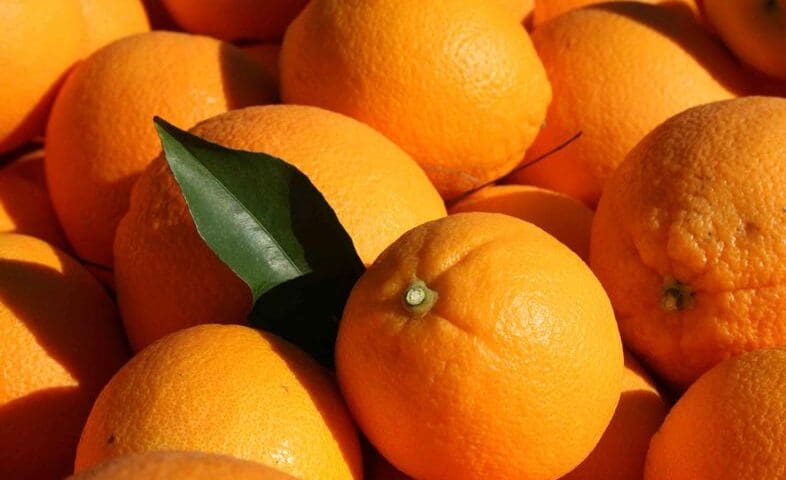
SOUTH AFRICA – South Africa is projected to achieve a record-breaking citrus export volume this year despite downward revisions caused by severe flooding in key growing provinces, with the industry navigating logistical hurdles, rising shipping costs, and regional conflicts.
The Citrus Growers Association now forecasts exports of 205.3 million cartons this year, lower than the previously anticipated 209.4 million cartons but still a new record compared to last year’s volume of 203.4 million cartons.
The reduction is mainly due to flooding in the Western Cape and Eastern Cape provinces, which account for nearly 45% of production.
Furthermore, the citrus industry continues to face difficulties accessing certain markets, particularly in the Middle East, which absorbs approximately 20% of South African citrus exports.
The CGA noted: “The Middle East has long been an important market for our citrus fruits. Disruptions in both demand and transport are risks that everyone must be aware of. Shipping rates have also increased sharply. At the same time, some Gulf markets are maintaining price ceilings on retail citrus fruits, limiting exporters’ ability to offset these higher logistics costs.”
Beyond the Middle East, the industry faces health challenges in Europe, its primary market. The most sensitive issue concerns the alignment of phytosanitary standards between the European Union and the United Kingdom.
For instance, since Brexit, the British market has offered South African exporters a relatively more flexible framework than that of the EU. However, London and Brussels have been working since 2025 on regulatory convergence for plant products, with implementation expected from mid-2027.
Therefore, this rapprochement raises fears of the disappearance of the “British exception” and the extension of stricter European standards to citrus fruits shipped to the United Kingdom.
Additionally, shifting European health regulations could reshape the future of citrus trade by imposing stricter cold treatment requirements, increased inspections, and costly compliance measures that reduce exporters’ profitability.
Since 2022, the EU has mandated cold treatment to limit codling moth infestation, involving very low temperatures and long treatment times, forcing exporters to invest in additional cooling, monitoring, and storage capacity.
Consequently, the sector must balance its global market dominance against the pressures of environmental disasters and evolving international trade policies.
Finally, these combined factors create a volatile environment for growers attempting to sustain their position as the world’s leading citrus exporter.
Sign up HERE to receive our email newsletters with the latest news and insights from Africa and around the world, and follow us on our WhatsApp channel for updates.