
FAO calls for clearer rules on cultivated and precision-fermented foods
The move shows gaps in food safety oversight, labelling, and market approval frameworks.
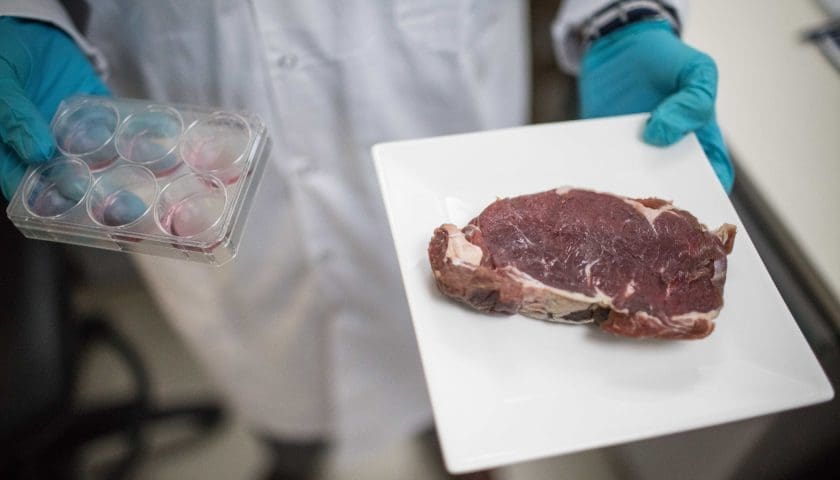
WORLD – The UN Food and Agriculture Organization (FAO) has urged countries to streamline regulatory systems for cultivated proteins and precision-fermented ingredients as these novel foods move toward mainstream markets.
A new FAO legal report examines global and regional frameworks, including the Codex Alimentarius and World Trade Organization agreements, and identifies political and legal challenges in governing these foods.
The report notes that while legislation can manage market entry and guide policy decisions, few countries have clear rules specifically addressing cultivated or precision-fermented products.
Most regulatory attention currently focuses on labelling and terminology, with the European Union being the most prominent example, while food safety and pre-market approval processes remain underexplored.
The FAO highlights a lack of research on integrating cell-based foods into existing food safety laws and the potential impact of product-specific frameworks on producers.
Oversight and Market Approval
It recommends that national authorities clearly define which agencies will oversee safety, quality, and market approval for these novel foods, ensuring roles are unambiguous.
In the United States, the Food and Drug Administration manages pre-harvest activities like cell collection and proliferation, while the Department of Agriculture handles post-harvest stages including processing and labelling, except for seafood.
FAO also points out that pre-approval tastings for these foods act as a bridge between experimental production and commercial release, but most pre-market systems do not account for this stage.
Some countries, such as Italy, have banned or restricted cultivated meat, citing precautionary concerns in the absence of comprehensive risk assessments or waiting for other regulatory precedents.
The FAO emphasizes that any restrictions must comply with international and regional legal obligations and align with trade agreements.
Labelling and Consumer Transparency
Clear labelling remains essential to avoid consumer confusion, with the report noting that surveys show that calling alternatives ‘meat’ generally does not mislead the public.
Authorities are advised to address product names, species identification, allergen information, production ingredients, and potential GMO involvement when defining labelling requirements.
Preparing for Future Foods
The FAO encourages governments to review existing rules to clarify their applicability to novel foods, providing legal certainty for producers while ensuring safety standards adapt to these technologies.
Additional pre-market approval processes may be necessary in some countries, including updated rules on labelling, permissible additives, and production practices for cell-based and precision-fermented foods.
Guidelines on good manufacturing, cell culture, and hygiene practices can help producers comply with regulatory expectations and standardize production quality.
International bodies such as the Codex Alimentarius are urged to continue developing definitions and standards to support trade and reduce legal uncertainties for food manufacturers.
The report concludes that regulatory frameworks should involve consultations with producers, consumers, civil society, environmental and animal welfare groups, workers, and biotechnology experts to ensure safety, transparency, and ethical considerations are addressed.
Sign up HERE to receive our email newsletters with the latest news and insights from Africa and around the world, and follow us on our WhatsApp channel for updates.