Tunisia clears beef, lamb imports from Serbia
Move comes as Tunisia’s red meat imports and costs continue to rise
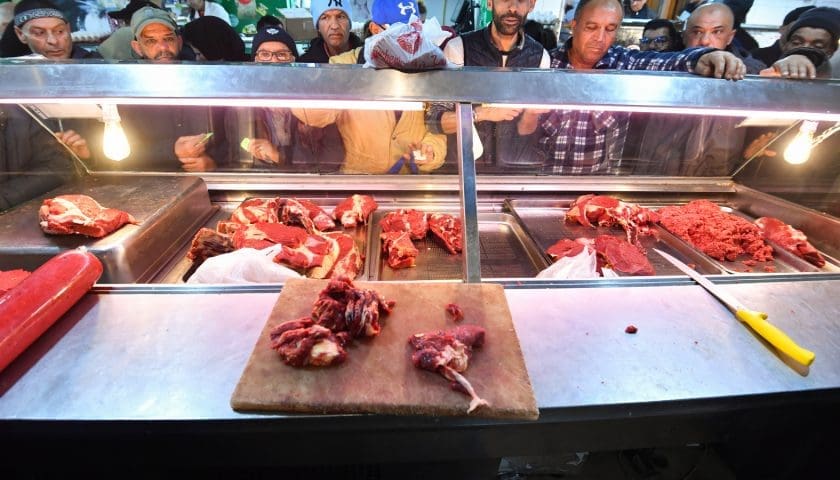
TUNISIA – Tunisia has authorized the import of beef and lamb from Serbia after the two countries aligned veterinary certification requirements, opening the North African market to Serbian red meat exports.
The Serbian Ministry of Agriculture announced on February 21 that veterinary certificates for beef and lamb shipments to Tunisia had been harmonized, confirming that the regulatory conditions required by Tunisian authorities had been met.
According to a statement published by the ministry, the agreement followed cooperation between the relevant institutions in both countries and affirms that Serbia’s veterinary oversight system complies with standards on food safety, animal health, and traceability.
The decision adds Serbia to Tunisia’s pool of international meat suppliers at a time when the country has recorded a steady increase in beef purchases from abroad.
Data from Trade Map show that Tunisia’s frozen beef imports rose from 816 tons in 2020 to 1,618 tons in 2024, reflecting a doubling of volumes over four years.
Over the same period, the value of those imports climbed from US$3.2 million to US$10.7 million, indicating a sharp rise in expenditure linked to higher volumes and prices.
In 2024, Tunisia sourced beef shipments from seven countries, including Brazil, Paraguay, India, Argentina, Australia, Poland, and Ireland, while recent trade data indicate Brazil, France, and Australia as leading partners in meat and edible offal exports to the country.
Growing import bill and Ramadan demand
Official trade figures indicate that Tunisia imported between US$23.5 million and US$23.71 million worth of meat and edible offal in 2024, with frozen bovine meat and sheep or goat meat accounting for a significant share of purchases.
Although these imports represent about 0.056% of Tunisia’s total national import bill, authorities have sought to widen their supplier base as domestic red meat prices remain elevated.
The increased reliance on external suppliers comes as demand for red meat typically rises during Ramadan, which this year runs from February 19 to March 19.
Domestic production trends
Within Tunisia, poultry remains the leading segment of the meat industry, accounting for between 50% and 59% of total output, with broiler production reaching 146,387 tons in 2023 and overall poultry meat output standing at approximately 242,000 metric tons in 2022.
By contrast, red meat production is mainly derived from cattle, particularly fattened calves, as well as sheep and goats, with indigenous sheep and goat meat recorded at 68.0 kilotons in 2016.
Sector data indicate that rising feed costs have weighed on livestock numbers in recent years, contributing to tighter domestic supply and prompting authorities to seek additional import channels such as the newly approved trade route with Serbia.
Sign up HERE to receive our email newsletters with the latest news and insights from Africa and around the world, and follow us on our WhatsApp channel for updates.