
FSA opens public consultation on proposed ban of BPA in food contact materials
The FSA’s proposal is grounded in recommendations from the Committee on Toxicity of Chemicals in Food (COT), which recently reassessed the safety of BPA.
UK – The Food Standards Agency (FSA) has announced the launch of a 12-week public consultation on its proposal to ban the use of Bisphenol A (BPA) and a range of structurally similar bisphenols in food contact materials.
The consultation, which runs until 24 December 2025, invites views from industry stakeholders, health professionals, and the public on how such a ban should be implemented, including its scope, timelines, and transitional measures.
The move follows the agency’s scientific review of BPA, a chemical commonly used in coatings, varnishes, plastics, and household kitchenware.
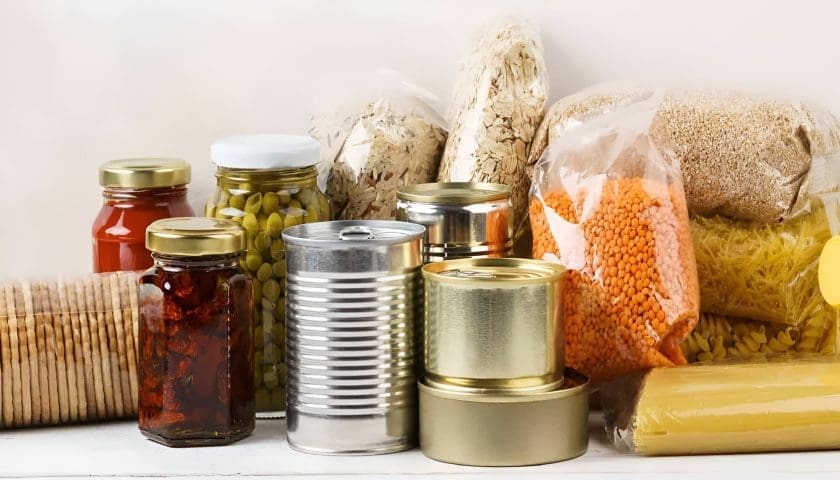
BPA has historically been found in refillable water bottles, food storage containers, and the internal linings of cans used for both food and beverages.
While only trace levels of BPA may migrate into food and drink, the cumulative effect of regular dietary exposure has prompted concerns regarding long-term health impacts.
Dr James Cooper, Deputy Director of Food Policy at the FSA, underscored the agency’s position.
“We’ve reviewed the latest science and evidence on BPA and agree that exposure should be reduced to minimise potential long-term risks to health, including effects on the endocrine, reproductive and immune system. That’s why we are proposing a ban on BPA and similar substances in food contact materials. We welcome all views on this proposal and how it could be implemented, before we advise ministers on next steps,” he said.
The FSA’s proposal is grounded in recommendations from the Committee on Toxicity of Chemicals in Food (COT), which recently reassessed the safety of BPA.
While other bisphenols have not been individually studied to the same extent, the agency notes that their close structural similarity to BPA suggests they may pose comparable risks, warranting a precautionary approach.
If implemented, the ban would mark a significant step in UK food safety regulation, aligning with broader international efforts to restrict or phase out BPA.
Once the consultation period closes, the FSA will analyse the submissions received and deliver its final recommendations to ministers, who will then decide on the future regulatory framework governing BPA and related substances in food packaging.
The consultation remains open to all interested parties until 24 December 2025, and responses can be submitted through the FSA’s official consultation platform.
Sign up HERE to receive our email newsletters with the latest news and insights from Africa and around the world, and follow us on our WhatsApp channel for updates.