Kakuzi expands blueberry farming to 202 acres by 2029, targets European superfood market
The strategic importance of diversifying into superfood production lies in reduced dependence on traditional crops.
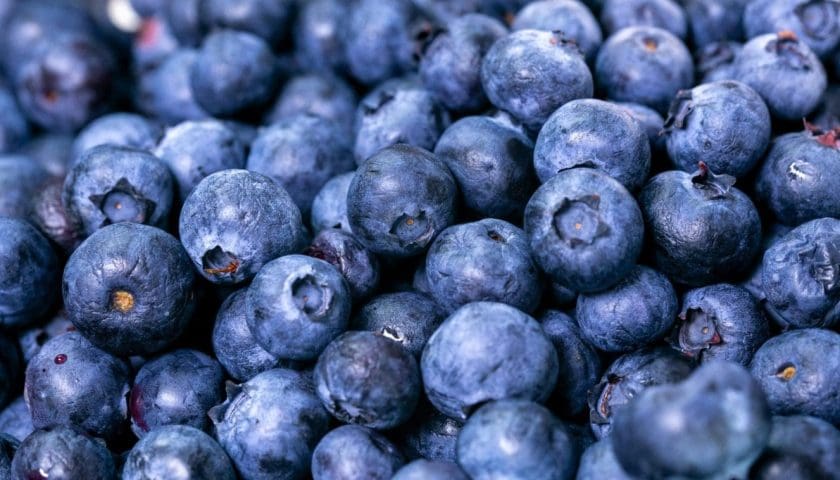
KENYA – Kakuzi PLC is expanding its blueberry farming to 202 acres (approximately 82 hectares) by 2029, following successful trials and initial profits, to meet rising global demand for nutritional superfoods.
The project will scale up from the current 10 hectares to 22 hectares by the end of 2026, with a final target of 82 hectares by 2029. The expansion uses high-tech, containerized polytunnel farming, which enables better climate control, higher-quality fruit yields, and production across various land types.
Consequently, Kakuzi can achieve consistent harvests regardless of external weather conditions, thereby reducing the risk of crop failure. The strategic importance of diversifying into superfood production lies in reduced dependence on traditional crops.
Kakuzi’s existing portfolio includes avocados and macadamia nuts, both of which are vulnerable to global price volatility and weather disruptions. On the other hand, blueberries offer a higher per-unit value and growing European demand.
Therefore, diversification strengthens the firm’s economic standing within the European fresh produce export market while spreading operational risk across multiple commodities.
High-tech polytunnel farming compares favourably to traditional open-field methods. Open-field blueberry production is subject to unpredictable rainfall, temperature fluctuations, and pest pressure, resulting in variable yields.
However, containerized polytunnels create controlled microclimates with optimized irrigation, shade nets, and airflow. Furthermore, polytunnels enable cultivation on previously marginal land, maximizing asset utilization.
Importantly, Kakuzi leverages global partnerships to scale its operations effectively. The initiative involves collaboration with industry experts, including market leader Driscoll’s, which provides proprietary blueberry genetics, technical advice, and quality standards.
Consequently, Kakuzi gains access to proven production protocols and established European market channels, reducing the trial-and-error period typical for new crop introductions.
For MEA fresh produce stakeholders, Kakuzi’s blueberry expansion offers a replicable model. Diversifying into high-value superfoods, adopting protected cultivation technologies, and partnering with international genetics leaders can transform a traditional export business into a premium market player.
Additionally, the 2029 target provides a clear timeline for investors to assess progress. However, execution risks remain, as scaling from 10 to 82 hectares requires disciplined capital allocation, skilled labour, and consistent cold chain logistics.
With Kakuzi leading the way, East Africa stands ready to capture a growing share of Europe’s lucrative blueberry market.
Sign up HERE to receive our email newsletters with the latest news and insights from Africa and around the world, and follow us on our WhatsApp channel for updates.