

Kenya issued US$38.8M avocado export certificates during ban, triggering shortages, quality concerns
As a result, the shortage is affecting close to 300 exporters and the oil processing sector.
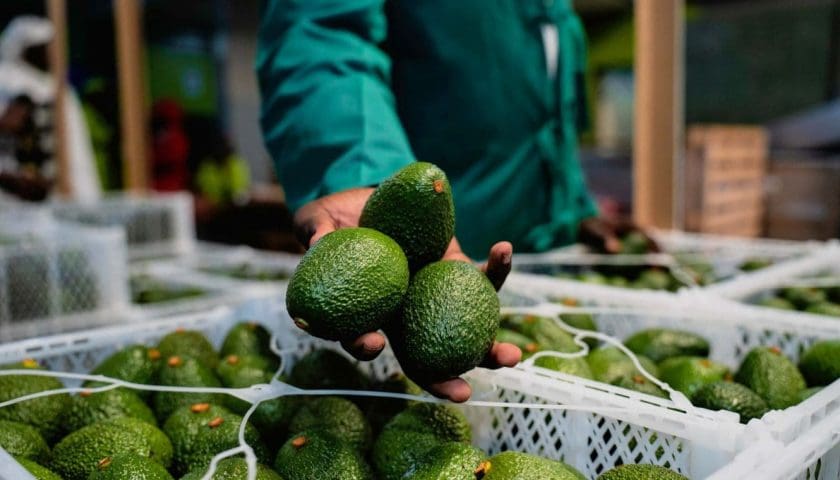
KENYA – Kenya has issued over US$38.8 million in export certificates during its avocado export ban this year, contributing to widespread non-compliance and a nationwide shortage that now threatens the country’s reputation in global markets.
Industry sources indicate that the closed season, designed to prevent exports of unripe fruit, has been undermined by selective authorizations granted to a limited number of companies during the ban periods.
Waithaka Wagura, chief executive of the Avocado Exporters Association of Kenya, confirmed the severity of the situation. “Yes, it happened, and there is an artificial shortage of avocado as the season opened.”
The export season reopened almost a month later than usual on April 2, limiting access for many exporters, as orchards had already been harvested before ripening.
According to KenTrade data, during the 12 weeks of the closed season in 2026, the Horticultural Crop Directorate approved US$38.8 million in avocado exports totalling 33,205 tons.
The regulatory breach has severely impacted Kenya’s market reputation. European importers who received fruit harvested prematurely may now question the reliability of Kenyan suppliers, potentially opening the door for competitors from South Africa, Tanzania, and Peru.
For investors, the scandal exposes significant governance risks in African agricultural sectors where regulatory enforcement can be uneven.
As a result, the shortage is affecting close to 300 exporters and the oil processing sector. “There are not enough fruits to meet the demand, and we are hoping that in July, during the second session of the avocado season, more fruits will have matured,” said Wagura.
In addition, oil processors, who rely on mature fruit for extraction, face production delays and capacity underutilization.
The Kenya Plant Health Inspectorate Service and AEAK indicated that exemptions were intended only for second flush crops from Western Kenya and the North Rift, which typically account for around 3% of national output.
However, FarmBizAfrica identified more than seven locations where avocados were sourced and exported during the ban without required farm inspections.
One industry chief executive summarized the damage: “These companies never stopped exporting, and they have left the country with scanty supplies of fit avocados.”
As Kenya remains Africa’s largest avocado exporter, supplying Europe and expanding into India and China, the governance crisis threatens hard-won market access.
Without stricter oversight from horticultural authorities, the nation’s position as a premier global fruit supplier is at risk of serious erosion.
Sign up HERE to receive our email newsletters with the latest news and insights from Africa and around the world, and follow us on our WhatsApp channel for updates.

