Morocco’s livestock, food imports set to reach US$10B by 2025 – Moroccan Exchange Office
MOROCCO – Morocco is expected to spend approximately US$10.3 billion on food imports by the end of 2025, showing a 3.3% rise from the previous year, according to the Moroccan Exchange Office’s December 2025 foreign trade report.
The agricultural sector accounts for approximately 10% of the country’s GDP, but consecutive years of drought have undermined cereal and livestock production, increasing reliance on imported food.
Wheat, sugar, corn, and live animals accounted for nearly 42% of the total food import bill in 2025, totalling US$4.34 billion.
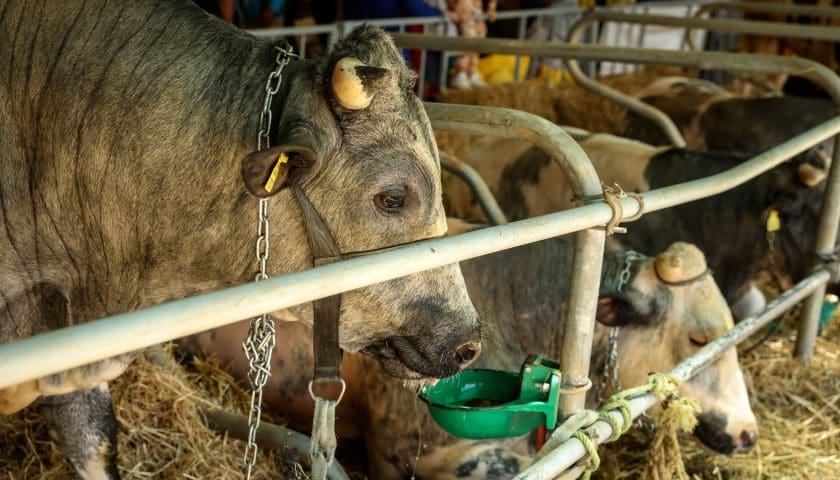
Live animal imports grew fastest among major food categories, increasing 25% year on year to US$762.7 million, driven by government policies that temporarily removed import duties and VAT for cattle, sheep, goats, and camelids throughout 2025.
The government also doubled the cattle import quota to 300,000 head in August 2025 to stabilise meat supply and aid recovery of the national herd, which has declined sharply during a seven-year drought cycle.
Recent agricultural censuses indicate that Morocco has lost 38% of its cattle and sheep population since 2016, contributing to the surge in livestock imports.
Corn imports rose 18.5% compared to the previous year, while purchases of sugar and wheat fell by 18% and 5.8%, respectively.
Food imports accounted for 11.5% of Morocco’s total import spending, which reached US$89.9 billion in 2025, highlighting the growing share of basic commodities in national trade.
At the same time, food exports fell 0.1% to US$9.4 billion, resulting in a trade deficit of US$850 million in this sector.
Food products represented roughly 19% of Morocco’s total export earnings of US$51.2 billion, signalling that the country still relies heavily on imports to meet domestic demand.
Other developments
Morocco and Poland recently agreed to strengthen trade ties in animal and livestock products through a memorandum of understanding on animal health and food safety, signed on January 16, 2026, during the International Green Week in Berlin.
The agreement includes technical collaboration, training, information exchange, and research on animal production and safety standards, with the aim of facilitating smoother trade flows and harmonising veterinary procedures between the two countries.
Morocco’s Minister of Agriculture, Ahmed El Bouari, and his Polish counterpart, Stefan Krajewski, emphasised that the cooperation framework seeks to improve institutional links while ensuring compliance with sanitary standards in cross-border livestock trade.
Sign up HERE to receive our email newsletters with the latest news and insights from Africa and around the world, and follow us on our WhatsApp channel for updates.