PepsiCo’s US$467M Mexico plant to boost fresh produce sector, sourcing 20% of potato crop
The investment also strengthens the logistics infrastructure that supports fresh produce distribution.
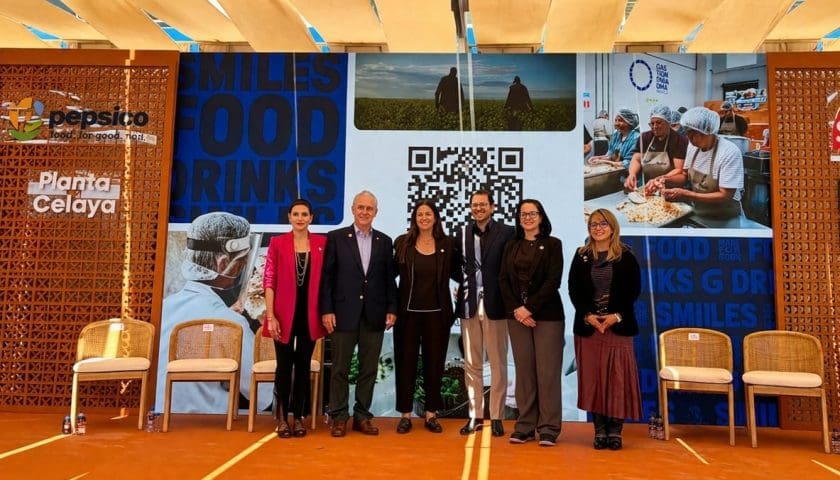
MEXICO – PepsiCo’s new Sabritas production facility in Celaya, part of a US$467 million investment, is delivering significant benefits to Mexico’s fresh produce sector by creating stable demand for locally grown potatoes, corn, wheat, bananas, and cocoa.
The company collaborates with more than 40,000 agricultural producers nationwide and purchases approximately 20% of the country’s potato output.
For fresh producers, this scale of off-take agreement transforms market dynamics. When a major processor commits to buying fixed volumes of potatoes, farmers gain predictable income, enabling investment in better seeds, irrigation systems, and post-harvest storage.
This stability reduces the price volatility that often plagues fresh produce markets, where gluts can force farmers to sell at a loss.
In addition, the Celaya plant adds approximately 66,500 metric tons of annual production capacity and operates three production lines for Sabritas, Doritos, Cheetos, and Ruffles.
All white corn used in PepsiCo products in Mexico is grown domestically, reinforcing the link between processing infrastructure and local agriculture.
The facility incorporates water recirculation systems, rainwater harvesting, solar panels, and LED lighting, technologies that can be shared with or adapted for fresh produce packinghouses and cold storage facilities in the region.
Currently, significant proportions of potato crops in emerging markets are lost due to inadequate storage and limited market access. Processing facilities purchased directly from farmers could dramatically reduce this waste.
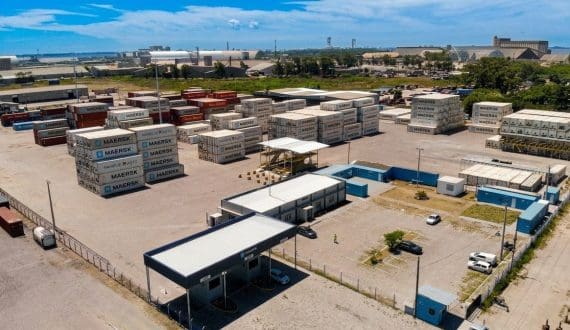
The investment also strengthens the logistics infrastructure that supports fresh produce distribution. Supporting infrastructure includes 34 distribution centres and more than 1,100 distribution routes in the Bajío region. These networks, built primarily for snack distribution, can also be used to move fresh produce, improving cold chain connectivity and reducing transport costs for local farmers.
As part of a broader US$2 billion multiyear investment plan in Mexico spanning 2025 to 2028, the Celaya plant signals a continued commitment to integrating local agriculture into global food supply chains.
For fresh-produce investors and businesses, the lesson is clear: strategic partnerships between processors and growers can stabilize markets, reduce waste, and build logistics infrastructure that benefits entire agricultural sectors.
Sign up HERE to receive our email newsletters with the latest news and insights from Africa and around the world, and follow us on our WhatsApp channel for updates.