

World Bank approves US$500M AGROW initiative to transform Nigeria’s smallholder farming
A national digital registry for farmers and farmland will be established, alongside digital advisory services, including weather updates tailored to local conditions.
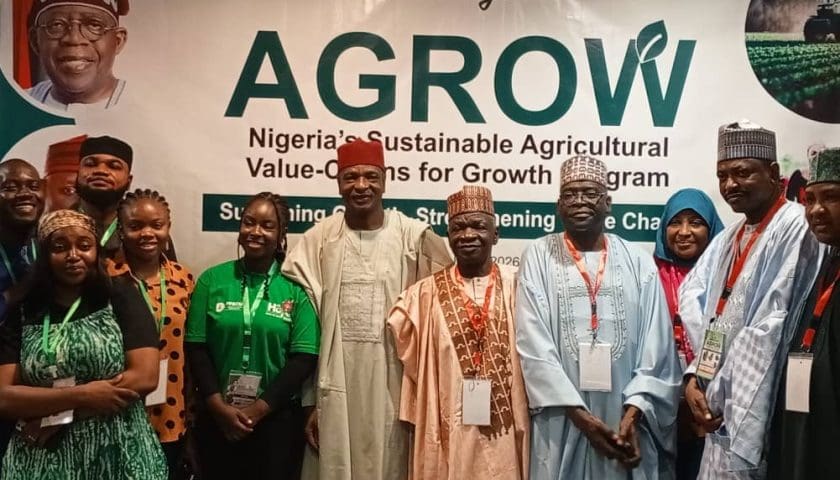
NIGERIA – The World Bank has approved a US$500 million credit facility for Nigeria to launch the Nigeria Sustainable Agricultural Value Chains for Growth Project, known as AGROW, a six-year initiative designed to transition smallholder farmers from subsistence practices to commercially viable enterprises.
The funding, provided by the International Development Association, will run from 2026 to 2032 and target up to 1 million smallholder farmers by improving their access to climate-resilient seeds, digital advisory services, and market connections.
World Bank Country Director for Nigeria, Mathew Verghis, described the initiative as a significant step towards transforming the sector, noting that the programme is expected to increase yields and attract private investment.
Under AGROW, agribusinesses sourcing produce from smallholder farmers will receive support through a results-based matching grant scheme, directly incentivizing private-sector engagement.
The project prioritizes key crops, including rice, maize, cassava, and soybeans, while also improving aggregation systems, post-harvest handling, and agro-processing. These infrastructure improvements will modernize supply chains for staples that underpin Nigerian food consumption, reducing spoilage and improving quality.
Specifically for the rice and maize value chains, the initiative will strengthen research and extension services, expand access to improved seeds, and reform seed and fertilizer regulatory frameworks.
A national digital registry for farmers and farmland will be established, alongside digital advisory services, including weather updates tailored to local conditions. These tools provide farmers with real-time information, enabling better planting decisions, reduced crop losses, and stronger bargaining power with buyers.
In addition, the project places particular emphasis on supporting women and young people in agriculture, promoting transparent land investments, and encouraging greater private-sector involvement in producing high-quality inputs.
AGROW is projected to attract an additional US$220 million investment from agribusinesses through its matching grant mechanism, significantly amplifying the impact of the initial World Bank facility.
Even better, the initiative aligns with Nigeria’s broader goals to increase agricultural output, create jobs, and promote value addition across the food value chain
The programme will run for six years, from 2026 to 2032, and is expected to benefit up to one million small-holder farmers and transform the country’s agricultural landscape.
Sign up HERE to receive our email newsletters with the latest news and insights from Africa and around the world, and follow us on our WhatsApp channel for updates.

