Zambeef advances sustainability with waste-water heat recovery project
Project collaborates with Irish Government, SAIPAR, and University of Dublin.
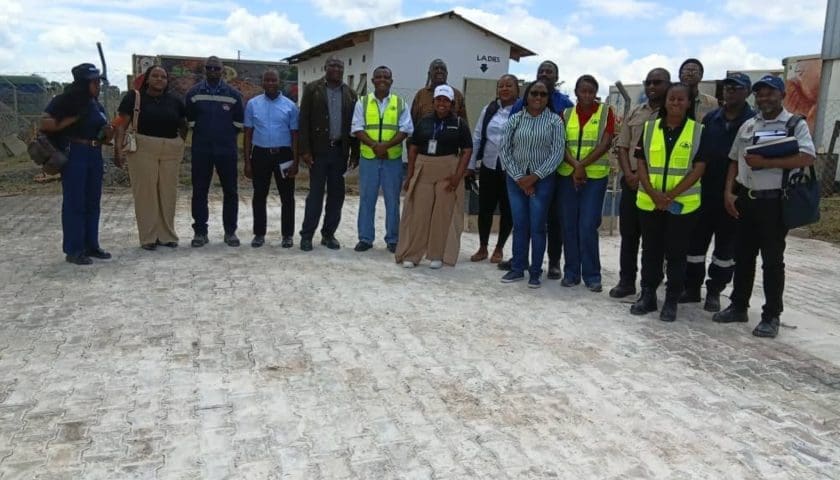
ZAMBIA – Zambeef Products PLC, Zambia’s largest vertically integrated agribusiness company, has launched a renewable energy initiative that captures heat from waste-water at its Huntley Farm in Chisamba.
The pilot, which started in 2023, is implemented in partnership with the Irish Government through Irish Aid and the Irish Embassy in Zambia, the Southern African Institute for Policy and Research (SAIPAR), and the University of Dublin.
More than 80% of the materials and equipment required for the project have been sourced locally, generating jobs and income opportunities for residents in the surrounding communities.
The initiative has also provided hands-on training for young people engaged by Build It International, who were involved in constructing essential components of the ReHEATZ project.
Officials from the Irish Embassy, including Deputy Ambassador Vincent Mayer, visited Huntley Farm along with representatives from the Ministry of Green Economy and Environment, the Zambia Environmental Management Agency (ZEMA), and SAIPAR.
Ezekiel Sekele, Zambeef’s Executive for Corporate Affairs and Sustainability, stated that reliable, sustainable energy is crucial to supporting Zambia’s food security objectives and that renewable energy remains a key focus for the company.
Mr Sekele added that the ReHEATZ project offers an innovative energy solution and that Zambeef intends to expand it so that other private and public sector organisations can implement similar systems.
During the visit, Irish Deputy Ambassador Vincent Mayer described the pilot as commercially viable and encouraged private sector stakeholders to invest in renewable energy across industries such as manufacturing, mining, and health.
Mr Mayer said the project demonstrates that waste-water heat recovery can be scaled and that wider adoption could support energy supply in multiple sectors while creating economic opportunities.
Zambeef’s pilot represents one of the few initiatives in Zambia that pair renewable energy integration with local workforce development and skill-building for young professionals.
The project also aligns with international collaboration efforts, connecting local industry with academic and policy institutions from Ireland to explore sustainable energy practices in southern Africa.
Officials indicated that the pilot’s outcomes will inform future projects at other agribusiness sites and, potentially, across broader commercial and public operations in Zambia, demonstrating a model for combining environmental sustainability with economic benefits.
The ReHEATZ project reflects an approach to energy management where waste-water, traditionally a cost and environmental concern, is converted into a usable energy resource, supporting Zambeef’s operational efficiency and sustainability goals.
This initiative adds to Zambia’s ongoing efforts to adopt renewable energy technologies that reduce reliance on conventional energy sources while creating job and training opportunities within local communities.
Sign up HERE to receive our email newsletters with the latest news and insights from Africa and around the world, and follow us on our WhatsApp channel for updates.