Skip to content


Updated
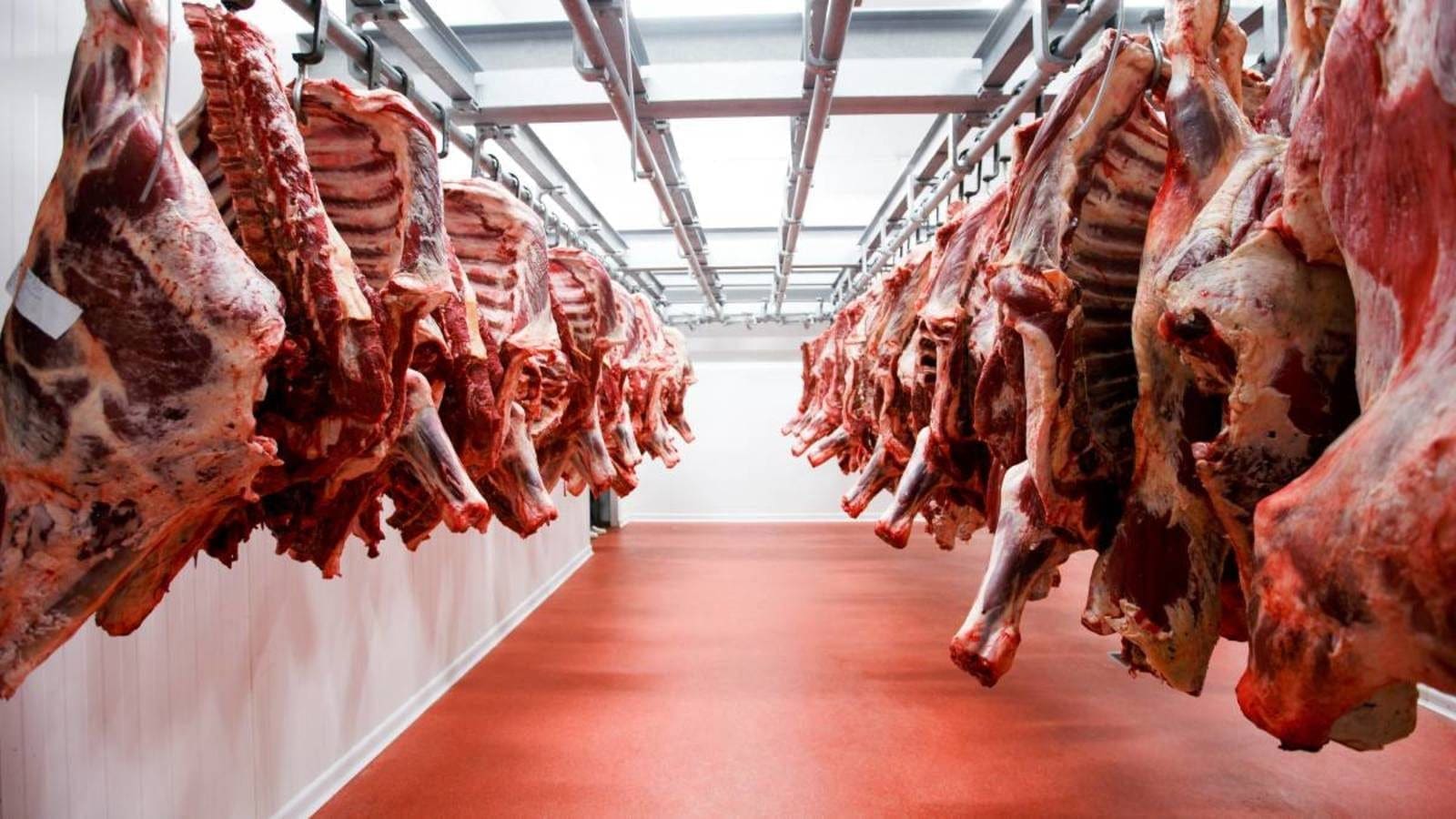
KENYA – The National Environment Management Authority of Kenya (NEMA) has announced the immediate closure of Kiamaiko slaughterhouses following a court order issued on July 28, 2022.
The government, in response to the court order that mandated the halt of services within the meat industry, directed the withdrawal of various essential services provided to Kiamaiko slaughterhouses.
This included the cessation of veterinary services for meat inspection, public health services, and the issuance of Single Business Permits by the Nairobi City County.
Additionally, water supply services from the Nairobi Water and Sewerage Company to the slaughterhouses were stopped.
The comprehensive withdrawal of these services is expected to paralyze the entire process of slaughtering goats at the slaughter slab due to the illegality of current operations, as highlighted by NEMA.
NEMA’s decision to enforce the closure is rooted in longstanding concerns regarding the handling of blood and offal, as well as the improper treatment of wastewater discharge.
The environmental agency emphasized that the slaughterhouses were operating in an unhygienic manner, contributing to pollution of the Nairobi River waters.
Furthermore, NEMA pointed out that the meat suppliers had failed to comply with an agreement established in 2013, which mandated the relocation of operations to a licensed site by March 31, 2022.
“It is essential to clarify that the intention behind these enforcement measures is not to impede the legitimate trade of meat or the operation of butcheries,” the Authority stated.
“The focus is squarely on addressing the specific deficiencies observed within the slaughterhouse facilities themselves which degrade the environment.”
In April 2022, Kiamaiko secured court orders preventing the closure of the meat supplier until the case is heard and determined.
Meanwhile, the situation remains tense as NEMA’s actions unfold, impacting the local meat industry and raising questions about environmental sustainability and public health.
Liked this article? Subscribe to Food Business Africa News, our regular email newsletters with the latest news insights from Africa and the World’s food and agro industry. HERE
No related posts.
We use cookies to improve your experience on our site. By using our site, you consent to cookies.
Manage your cookie preferences below:
Essential cookies enable basic functions and are necessary for the proper function of the website.
These cookies are needed for adding comments on this website.
Google's current Sign in with Google client library. It renders the Google sign-in button, or the One Tap prompt, so visitors can log in to your site with their Google account. It replaces the older Google Sign-In platform library.
Service URL: policies.google.com (opens in a new window)
Google Tag Manager simplifies the management of marketing tags on your website without code changes.
Statistics cookies collect information anonymously. This information helps us understand how visitors use our website.
Google Analytics is a powerful tool that tracks and analyzes website traffic for informed marketing decisions.
Service URL: policies.google.com (opens in a new window)
WPMU DEV Analytics is the visitor statistics feature of the WPMU DEV Dashboard plugin. It reports traffic and visitor behavior inside The Hub using a Matomo analytics instance hosted by WPMU DEV.
Service URL: wpmudev.com (opens in a new window)
Marketing cookies are used to follow visitors to websites. The intention is to show ads that are relevant and engaging to the individual user.
AddToAny provides share and follow buttons that let visitors post your pages to social networks, messaging apps, and bookmarking services.
Service URL: www.addtoany.com (opens in a new window)
