
Published
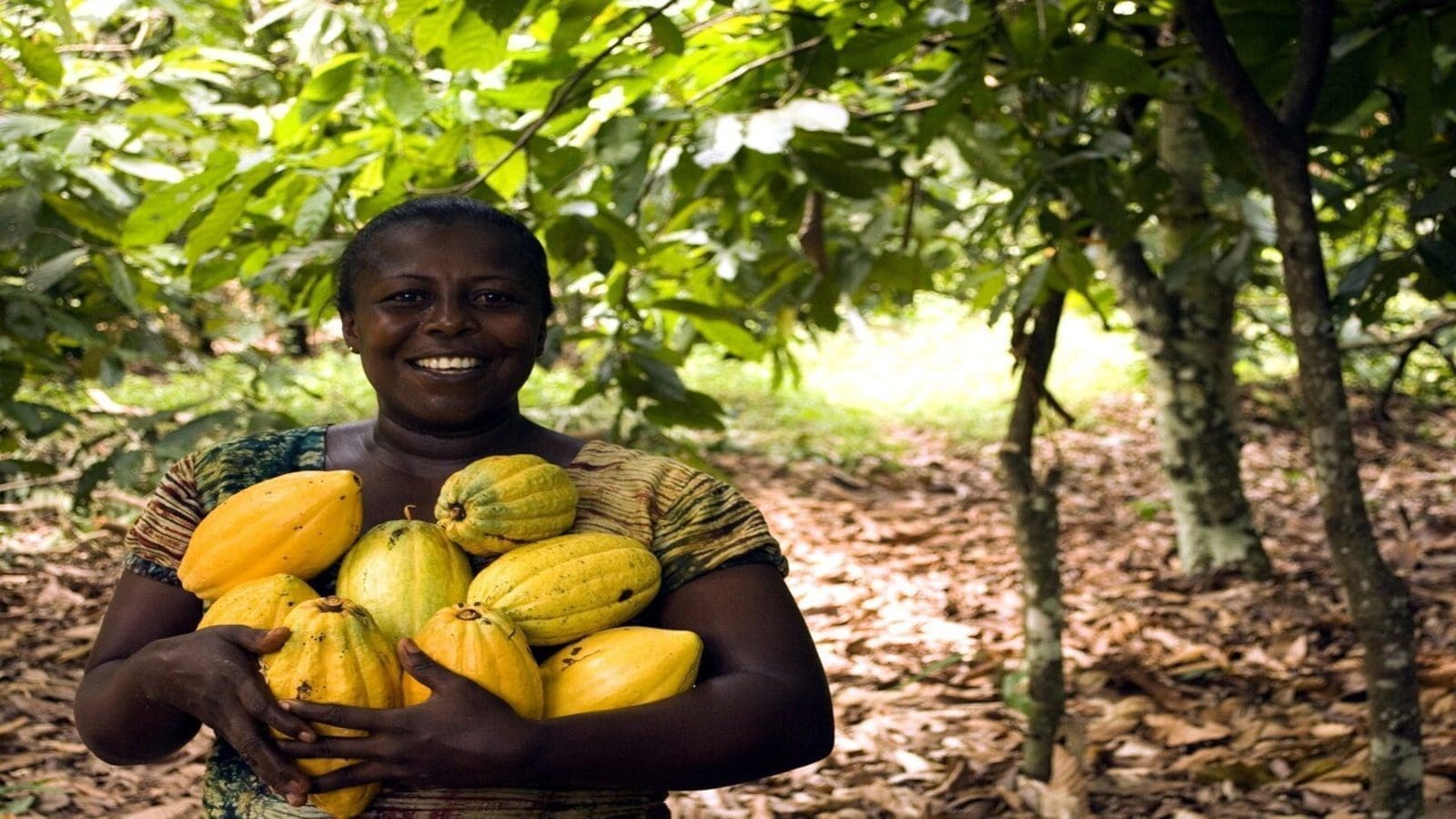
AFRICA—Nestle, the owner of Kitkat chocolate brand and Milo drink, has launched two sustainability projects in Ghana and Côte d’Ivoire in collaboration with its suppliers, Cargill and ETG.
These initiatives, set to span over five years, are designed to reduce and remove carbon emissions across Nestlé’s extensive cocoa supply supply chains.
Nestle claims that the project’s goals are to promote reforestation in the areas surrounding cocoa agricultural villages and hasten the shift toward regenerative agriculture.
Darrell High, Nestlé’s global cocoa manager, emphasized the company’s commitment to addressing emissions throughout its entire sourcing process.
“We’re working to address our emissions all the way to the farms we source from,” High said.
He further underscored the importance of collaboration with steadfast suppliers like Cargill and ETG | Beyond Beans, highlighting the crucial role of local communities in forest conservation efforts and the identification of land-use solutions tailored to local contexts.
“These projects are important milestones on our journey to net zero. We’re working to address our emissions all the way to the farms we source from,” he claimed.
As part of its Net Zero goal, the Switzerland-based company wants to plant more than two million shade trees on land in Ghana and Côte d’Ivoire- this is projected to eliminate around 500 000 metric tons of carbon.
Nestlé’s initiative comes shortly after the European Union deforestation regulation (EUDR) came into force to ensure that imported commodities, like cocoa, are deforestation free.
EUDR requires companies that supply cocoa beans or chocolate bars to the EU market are the ones with the primary responsibility.
Some key requirements are Products must be deforestation free, meaning they were produced on land that has not been converted from forest to agricultural use after 31 December 2020.
By promoting reforestation, Nestlé is actively ringfencing the existing coffee plantation and preventing spread of deforestation which could limit its use of cocoa from Ghana and Côte d’Ivoire.
Liked this article? Subscribe to Food Business Africa News, our regular email newsletters with the latest news insights from Africa and the World’s food and agro industry. HERE
No related posts.
We use cookies to improve your experience on our site. By using our site, you consent to cookies.
Manage your cookie preferences below:
Essential cookies enable basic functions and are necessary for the proper function of the website.
These cookies are needed for adding comments on this website.
Google's current Sign in with Google client library. It renders the Google sign-in button, or the One Tap prompt, so visitors can log in to your site with their Google account. It replaces the older Google Sign-In platform library.
Service URL: policies.google.com (opens in a new window)
Google Tag Manager simplifies the management of marketing tags on your website without code changes.
Statistics cookies collect information anonymously. This information helps us understand how visitors use our website.
Google Analytics is a powerful tool that tracks and analyzes website traffic for informed marketing decisions.
Service URL: policies.google.com (opens in a new window)
WPMU DEV Analytics is the visitor statistics feature of the WPMU DEV Dashboard plugin. It reports traffic and visitor behavior inside The Hub using a Matomo analytics instance hosted by WPMU DEV.
Service URL: wpmudev.com (opens in a new window)
Marketing cookies are used to follow visitors to websites. The intention is to show ads that are relevant and engaging to the individual user.
AddToAny provides share and follow buttons that let visitors post your pages to social networks, messaging apps, and bookmarking services.
Service URL: www.addtoany.com (opens in a new window)