
Published
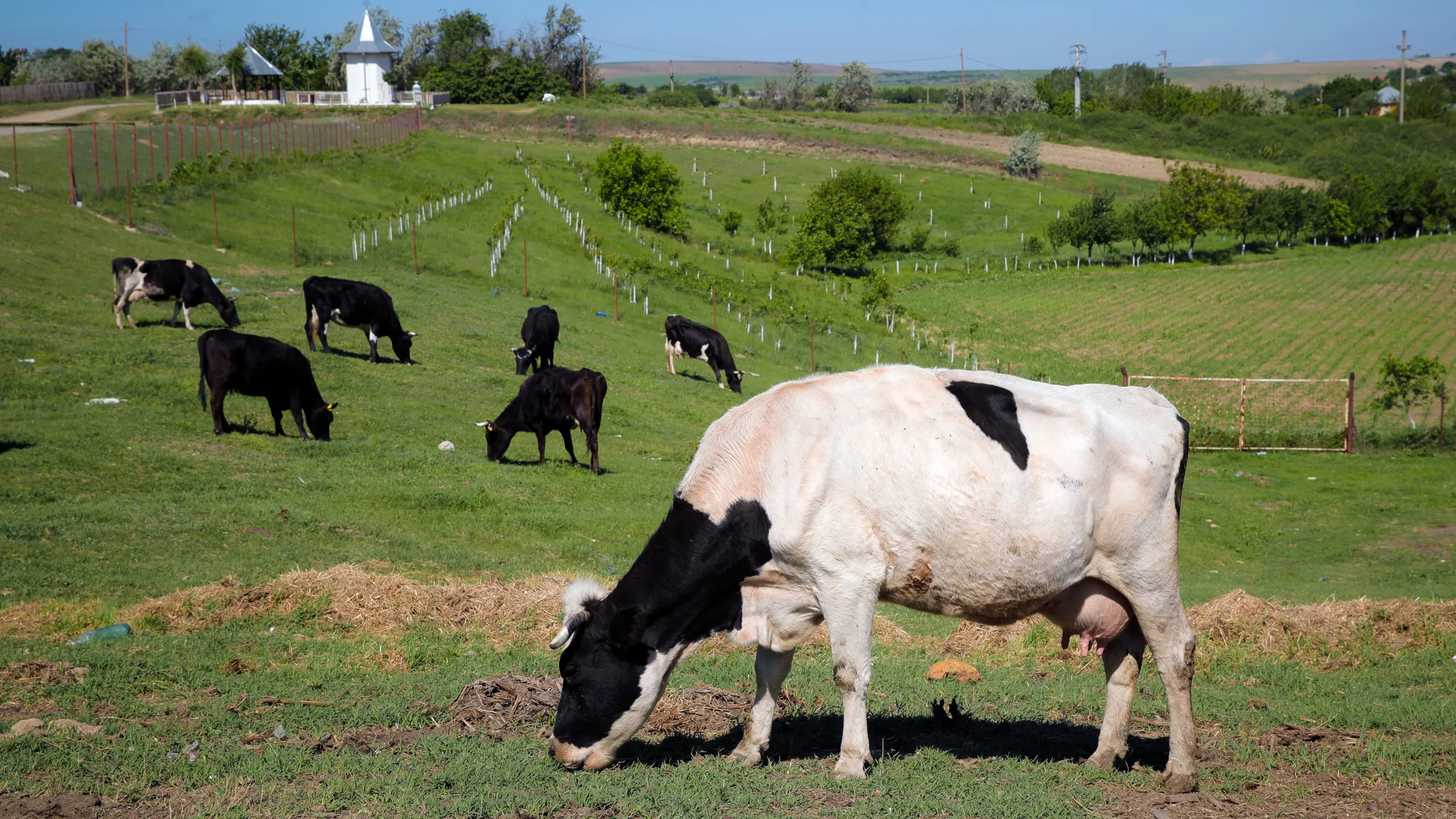
DENMARK – Denmark is set to become the first country to impose a tax on carbon dioxide emissions from livestock, aiming to inspire global efforts in combating climate change.
Starting in 2030, this pioneering policy targets the nation’s largest source of CO2 emissions, with the goal of significantly reducing greenhouse gases.
This initiative stems from recommendations made in February by experts tasked with helping Denmark achieve its ambitious goal of cutting emissions by 70% from 1990 levels by 2030.
Following extensive negotiations, a consensus was reached late Monday between the centrist government, farmers, industry representatives, labor unions, and environmental advocates.
Taxation Minister Jeppe Bruus of the Social Democrats highlighted the significance of this policy, stating, “We will be the first country in the world to introduce a real CO2 tax on agriculture. Other countries will be inspired by this.”
Despite requiring parliamentary approval, the widespread support suggests the bill is likely to pass.
The proposed tax plan sets a fee of 300 Danish crowns (US$43.16) per tonne of CO2 emissions by 2030.
To mitigate the financial impact on farmers, they will receive a 60% income tax deduction, effectively reducing the cost to 120 crowns per tonne initially and 300 crowns by 2035.
Additionally, subsidies will be available to aid farmers in adapting their operations.
Minister for Economic Affairs Stephanie Lose illustrated the tax’s potential impact, noting it could raise the price of minced beef by 2 crowns (US$0.29) per kilo by 2030.
Currently, minced beef sells for around 70 crowns (US$10.04) per kilo in Danish discount stores.
While similar measures faced pushback in New Zealand, leading to the abandonment of a comparable tax plan, Danish farmers have acknowledged the compromise as a workable solution.
Despite initial concerns about reduced production and job losses, the agreement provides clarity and stability for the agricultural sector.
The L&F agriculture industry group expressed relief, stating, “The agreement brings clarity when it comes to significant parts of the farmers’ conditions.”
Liked this article? Subscribe to Food Business Africa News, our regular email newsletters with the latest news insights from Africa and the World’s food and agro industry. HERE
No related posts.
We use cookies to improve your experience on our site. By using our site, you consent to cookies.
Manage your cookie preferences below:
Essential cookies enable basic functions and are necessary for the proper function of the website.
These cookies are needed for adding comments on this website.
Google's current Sign in with Google client library. It renders the Google sign-in button, or the One Tap prompt, so visitors can log in to your site with their Google account. It replaces the older Google Sign-In platform library.
Service URL: policies.google.com (opens in a new window)
Google Tag Manager simplifies the management of marketing tags on your website without code changes.
Statistics cookies collect information anonymously. This information helps us understand how visitors use our website.
Google Analytics is a powerful tool that tracks and analyzes website traffic for informed marketing decisions.
Service URL: policies.google.com (opens in a new window)
WPMU DEV Analytics is the visitor statistics feature of the WPMU DEV Dashboard plugin. It reports traffic and visitor behavior inside The Hub using a Matomo analytics instance hosted by WPMU DEV.
Service URL: wpmudev.com (opens in a new window)
Marketing cookies are used to follow visitors to websites. The intention is to show ads that are relevant and engaging to the individual user.
AddToAny provides share and follow buttons that let visitors post your pages to social networks, messaging apps, and bookmarking services.
Service URL: www.addtoany.com (opens in a new window)


