Published
ZIMBABWE – Zimbabwe’s Presidential Rural Poultry Scheme, which falls under the Livestock Growth Plan (2021-2025) has farmers experiencing significant benefits from supplying eggs and poultry.
Aimed at reaching three million households nationwide, the initiative aims to commercialize rural poultry production and boost rural incomes while enhancing access to protein-rich food sources.
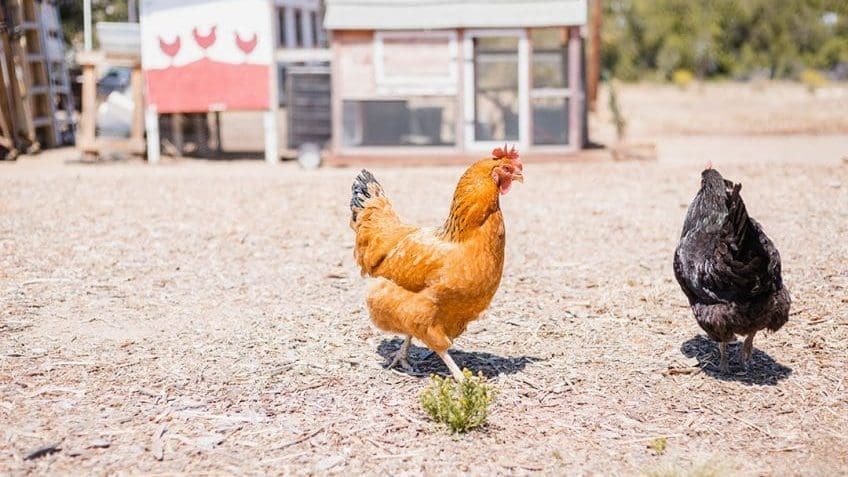
Various chicken breeds, including Boschveld, Sasso, Kuroiler, and indigenous varieties, have been distributed across different provinces.
Statistics from the Ministry of Lands, Agriculture, Fisheries, Water, and Rural Development indicate that 1.5 million birds have been distributed countrywide.
This includes substantial distributions such as 200,000 chicks in Manicaland, 124,000 in Mashonaland Central, and similar numbers in other regions.
The scheme is strategically designed to uplift rural livelihoods, enhance national food security, and stimulate a thriving poultry industry.
By targeting primarily rural households, where access to protein sources can be challenging, the initiative provides chicks, particularly indigenous breeds like road-runner hens, empowering families to raise poultry for personal consumption.
This initiative supports a more nutritious diet, particularly beneficial for children who benefit from the protein and essential vitamins found in eggs and chicken.
The potential for income generation is evident, with road-runner hens priced at US$6-7 and cocks at US$10 each.
This additional income not only helps alleviate poverty but also enables families to invest in education, healthcare, and other essential needs.
Furthermore, increased poultry production contributes significantly to national food security by boosting the availability of eggs and chicken meat, thereby addressing potential protein shortages in urban areas.
Beyond individual farmers, the scheme catalyzes broader economic impact by spurring the development of necessary infrastructure.
This includes the establishment of hatcheries for chick production, efficient transportation networks for bird and egg distribution, and cold storage facilities to ensure quality.
Such developments create new economic opportunities, stimulate job creation, particularly in rural areas, and foster overall economic growth.
Liked this article? Subscribe to Food Business Africa News, our regular email newsletters with the latest news insights from Africa and the World’s food and agro industry. HERE
No related posts.
We use cookies to improve your experience on our site. By using our site, you consent to cookies.
Manage your cookie preferences below:
Essential cookies enable basic functions and are necessary for the proper function of the website.
These cookies are needed for adding comments on this website.
Google's current Sign in with Google client library. It renders the Google sign-in button, or the One Tap prompt, so visitors can log in to your site with their Google account. It replaces the older Google Sign-In platform library.
Service URL: policies.google.com (opens in a new window)
Google Tag Manager simplifies the management of marketing tags on your website without code changes.
Statistics cookies collect information anonymously. This information helps us understand how visitors use our website.
Google Analytics is a powerful tool that tracks and analyzes website traffic for informed marketing decisions.
Service URL: policies.google.com (opens in a new window)
WPMU DEV Analytics is the visitor statistics feature of the WPMU DEV Dashboard plugin. It reports traffic and visitor behavior inside The Hub using a Matomo analytics instance hosted by WPMU DEV.
Service URL: wpmudev.com (opens in a new window)
Marketing cookies are used to follow visitors to websites. The intention is to show ads that are relevant and engaging to the individual user.
AddToAny provides share and follow buttons that let visitors post your pages to social networks, messaging apps, and bookmarking services.
Service URL: www.addtoany.com (opens in a new window)