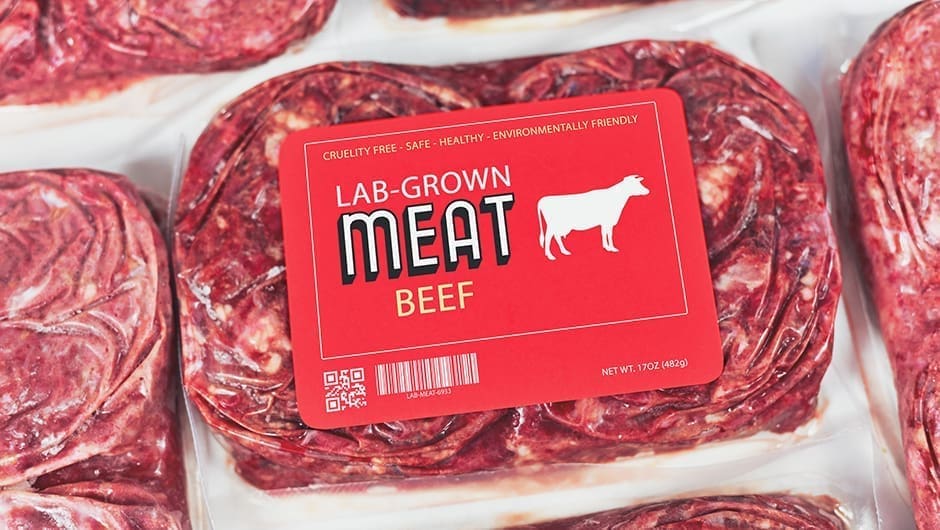
UK – Research conducted by the Royal Agricultural University (RAU) in the UK reveals that farmers are not solely concerned about broader social implications of cultivated meat but they’re also fixated on economic impacts.
The study, supported by UK Research and Innovation, engaged 80 farmers across nine farms, exploring their views on the potential disruptions posed by cultivated meat.
While acknowledging the potential for cultivated meat to reduce environmental footprints and diversify protein sources, farmers remain cautious, viewing the sector’s growth as a gradual evolution rather than an immediate threat.
The research suggests a nuanced stance within farming communities, where adaptation and coexistence with new technologies are seen as essential for future sustainability.
Farmers, viewing the issue through both consumer and producer lenses, also echoed public concerns regarding safety, naturalness, and control over these novel protein sources.
Their apprehensions, however, extend beyond consumer perceptions to include uncertainties about cost competitiveness, quality standards, and the timeline for market entry.
Furthermore, British farmers expressed skepticism about the reliability and transparency of data regarding the technical feasibility, economic viability, and environmental impacts of cultivated meat.
They emphasized the need for impartial information to navigate potential implications on their businesses and local communities.
In recent months, the debate surrounding cultivated meat has intensified, with legislative actions in Italy, Florida, and Alabama framing the discourse around protecting traditional farming practices.
For instance, Florida’s Governor, Ron DeSantis, symbolically emphasized this stance by signing the bill under a banner declaring ‘Save Our Beef’.
Critics, however, have challenged these moves as protectionist measures favoring entrenched agricultural interests rather than fostering fair competition.
Tom Rossmeissl, head of global marketing at Eat Just, a cultivated meat pioneer, criticized these legislative efforts, accusing them of shielding Big Ag from accountability and stifling innovation.
Liked this article? Subscribe to Food Business Africa News, our regular email newsletters with the latest news insights from Africa and the World’s food and agro industry. HERE