Published
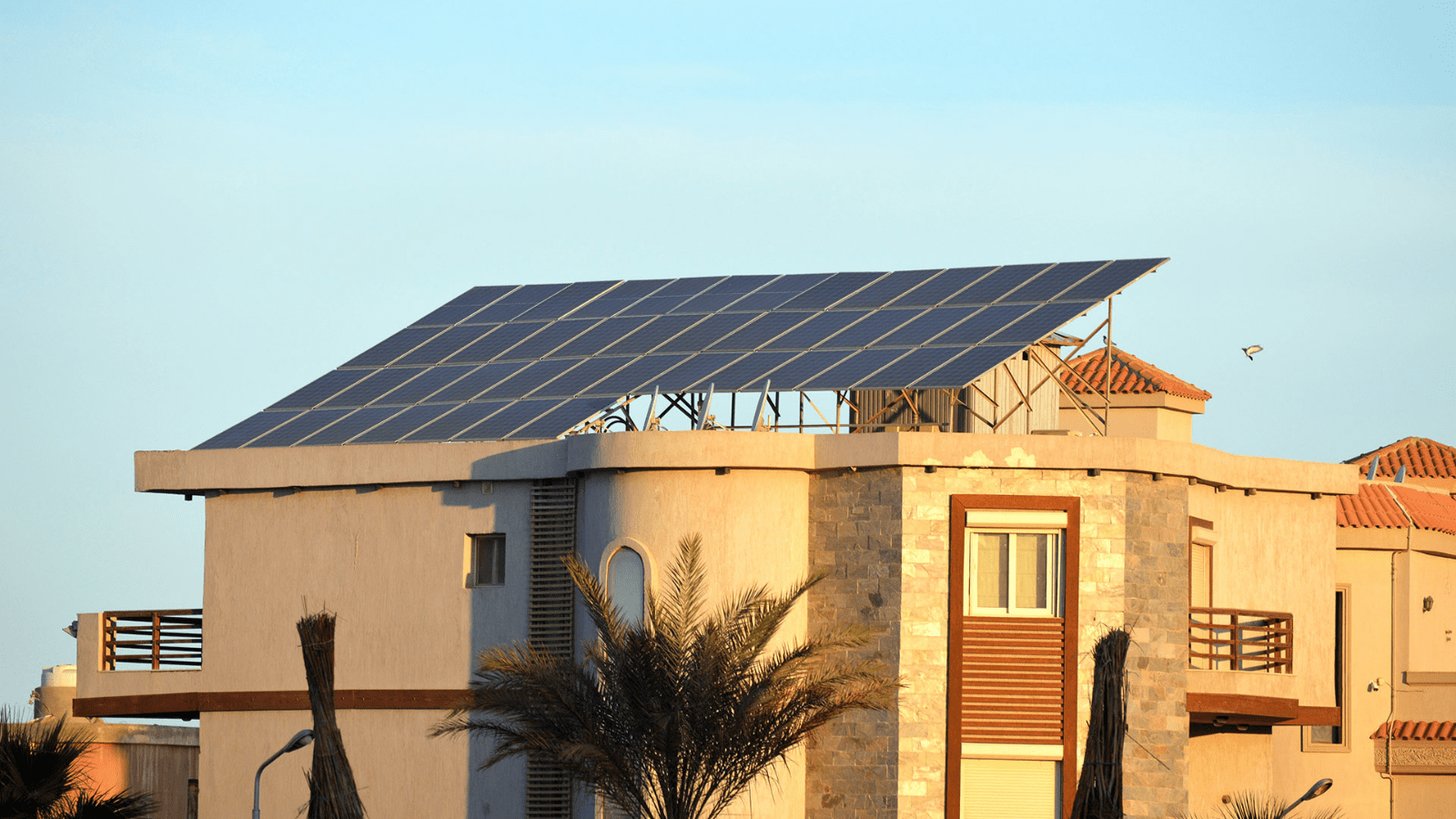
EGYPT – Egypt’s Electricity and Agriculture Ministers have unveiled plans to install solar panels on poultry farms nationwide to address the pressing challenges in the sector.
The meeting held at the Ministry of Electricity and Renewable Energy’s headquarters in Alamein was attended by Mahmoud Essmat, Minister of Electricity, and Alaa Farouk, Minister of Agriculture, along with key officials from both ministries.
The central discussion focused on enhancing the electricity supply to poultry farms, ensuring regulatory compliance, and fostering sector growth.
This meeting is part of Prime Minister Mustafa Madbouly’s broader efforts to ensure consistent electricity supplies for poultry farms across the country.
The ministers evaluated the distribution and power sources of poultry farms across various governorates and proposed a new initiative to install solar panels on poultry farms to generate electricity during the day, supplemented by power from the national grid at night.
This initiative, backed by a funding agreement with a bank, is a key component of the Ministry of Electricity and Renewable Energy’s plan to expand renewable energy usage.
As part of the plan, special financing incentives will be offered to farm owners, and the private sector will oversee the project’s implementation.
The ministers stressed the need to activate this initiative to ensure reliable electricity for poultry farms.
The solar panels are expected to provide daytime electricity, with the national grid supplying power at night.
Agriculture Minister Farouk noted that the initiative would help poultry farm owners modernize their operations and reduce costs.
He also mentioned potential collaboration with the Ministry of Electricity and Renewable Energy to launch the solar energy initiative, which includes accessible financing through the Egyptian Agricultural Bank.
Egypt’s poultry industry includes 10,731 licensed farms out of a total of 60,000 entities, with investments reaching EGP 100 billion (US$5.09 billion).
In 2021, the industry produced 1.5 billion broilers and 13 billion table eggs.
Liked this article? Sign up to receive our email newsletters with the latest news updates and insights from Africa and the World HERE
No related posts.
We use cookies to improve your experience on our site. By using our site, you consent to cookies.
Manage your cookie preferences below:
Essential cookies enable basic functions and are necessary for the proper function of the website.
These cookies are needed for adding comments on this website.
Google's current Sign in with Google client library. It renders the Google sign-in button, or the One Tap prompt, so visitors can log in to your site with their Google account. It replaces the older Google Sign-In platform library.
Service URL: policies.google.com (opens in a new window)
Google Tag Manager simplifies the management of marketing tags on your website without code changes.
Statistics cookies collect information anonymously. This information helps us understand how visitors use our website.
Google Analytics is a powerful tool that tracks and analyzes website traffic for informed marketing decisions.
Service URL: policies.google.com (opens in a new window)
WPMU DEV Analytics is the visitor statistics feature of the WPMU DEV Dashboard plugin. It reports traffic and visitor behavior inside The Hub using a Matomo analytics instance hosted by WPMU DEV.
Service URL: wpmudev.com (opens in a new window)
Marketing cookies are used to follow visitors to websites. The intention is to show ads that are relevant and engaging to the individual user.
AddToAny provides share and follow buttons that let visitors post your pages to social networks, messaging apps, and bookmarking services.
Service URL: www.addtoany.com (opens in a new window)