
Zimbabwe’s fishing industry struggles amid lack of legal framework
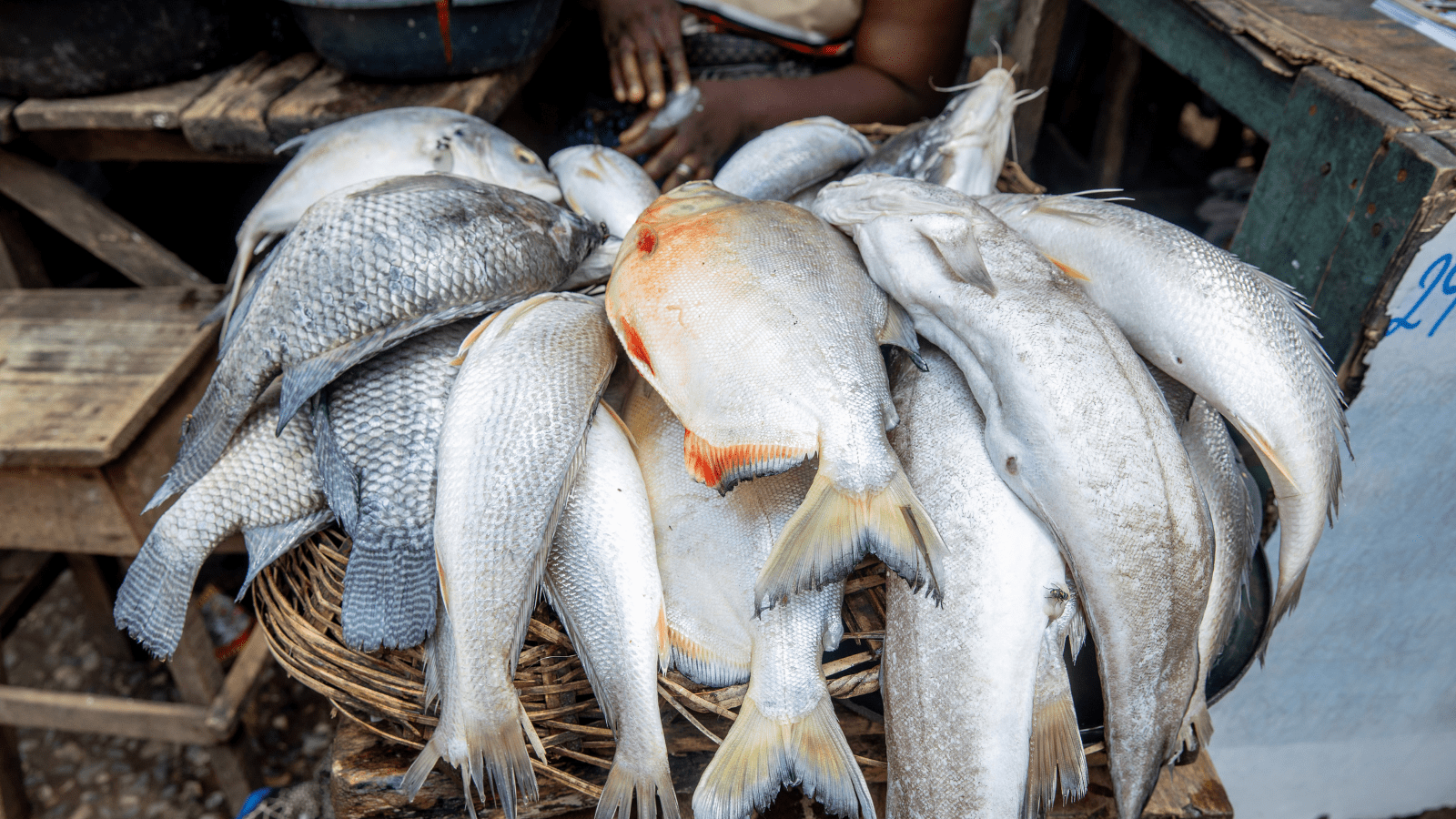
ZIMBABWE – Zimbabwe’s fishing industry is facing severe challenges, with experts citing the absence of a legal framework as a key issue holding back the sector’s development.
According to Milton Makumbe, the Fisheries and Aquaculture Resources Production Director at the Ministry of Lands, Agriculture, Fisheries, Water and Rural Development, the lack of regulations has created numerous problems for the fishing value chain.
Makumbe’s comments come at a time when the country’s fish production levels are critically low.
Currently, Zimbabwe produces just 15,000 metric tonnes of fish annually, a figure far below the required 60,000 metric tonnes needed to satisfy local demand.
This marks a significant decline from Zimbabwe’s previous status as one of Africa’s top fish producers.
Fish farming in Zimbabwe, which is largely focused on species such as Nile tilapia, rainbow trout, and bream, has been severely affected by climate change.
Diminished water resources have caused a reduction in fish stocks, further aggravating the industry’s troubles.
Makumbe stressed the importance of establishing a legal framework to guide the sector’s growth and improve its productivity.
Without such regulations, he argued, the industry remains vulnerable to inefficiencies and challenges like the illegal importation of low-quality fish.
Other issues plaguing the sector include a lack of expertise in fish farming and difficulties accessing credit from financial institutions, Makumbe noted.
The financial prospects for the fish and seafood industry in Zimbabwe are significant, with the market expected to generate US$667.40 million in 2024.
According to projections by statista, this figure is set to grow at an annual rate of 11.34% between 2024 and 2029.
By 2029, the market is expected to produce 30.45 million kilograms of fish, with a projected 3% increase in volume in 2025.
Despite these growth prospects, Zimbabwe continues to face a substantial fish supply deficit.
The Food Federation and Allied Workers Union of Zimbabwe (FFAWUZ) reported that the country is short by 41,600 tonnes annually, forcing it to rely heavily on imports.
From 2017 to 2020, Zimbabwe imported an average of 9,482 metric tonnes of fish per year to meet local demand.
Sign up to receive our email newsletters with the latest news updates and insights from Africa and the World HERE