
Counterfeit powdered milk sparks food safety alarm in Vietnam
Under Vietnamese law, powdered milk containing less than 70% of the advertised ingredients is classified as counterfeit.
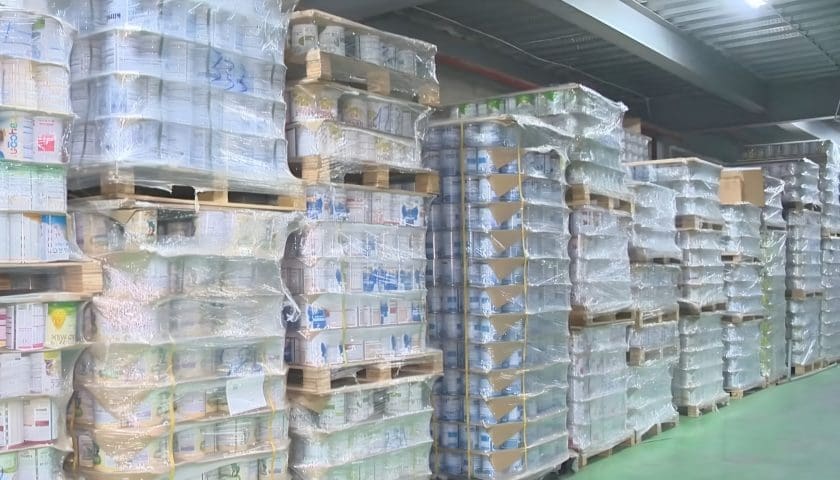
VIETNAM – Vietnamese public security has uncovered a counterfeit powdered milk operation involving 573 brands worth US$19.6 million, targeting vulnerable groups across Hanoi and surrounding provinces.
Many of the fake products were misrepresented as “medical-grade milk” or “imported colostrum for premature babies.”
They targeted vulnerable individuals with conditions such as diabetes, kidney failure and those in delicate states like pregnancy and prematurity, for infants, exploiting their urgent nutritional needs.
Products such as Cilonmum Colos Baby 24h, Gludabet, and Anmusure were marketed with promises like “weight gain,” “stable blood sugar,” and “boosted immunity.”
Despite claims that their formulas included premium ingredients such as bird’s nest extract, cordyceps, macadamia powder, and walnut powder, the products contained none of these. Instead, they used basic ingredients and additives.
Under Vietnamese law, powdered milk containing less than 70 per cent of the advertised ingredients is classified as counterfeit.
The investigation revealed that since August 2021, the suspects had established two companies (Rance Pharma International Pharmaceutical JSC and Hacofood Nutrition Pharmaceutical JSC) to make and sell the fake powdered milk, generating a revenue of nearly VNĐ500 billion (US$21 million).
On April 10, 2025, eight individuals linked to the operation, including executives of both companies, based in Hanoi, were arrested. Investigators seized 84 milk powder products and over 26,000 cans from the illegal production facilities.
By April 23, twelve of those products, constituting dietary supplements and formulated nutritional products, were confirmed as counterfeit and recalled, while the remaining 72 remain under investigation.
Regulatory lapses
This incident highlighted major regulatory shortcomings in product quality oversight and post-market checks, particularly the loopholes in allowing companies to self-declare product compositions without proper follow-up.
Companies registering nutritional or medical food products, including those for infants under 36 months, are required to submit applications to local departments, with lab results valid within 12 months and scientific evidence supporting the claimed benefits of ingredients.
However, defendant Ho Sy Y, a shareholder in both Rance Pharma and Hacofood, stated that nutritional contents were never verified, leading to the fraudulent formulations.
Co-defendant Dang Trung Kien, deputy director and shareholder, added that registration instructions focused solely on microbiological safety, and not complete nutritional analysis.
The Ministry of Health, on the other hand, said the self-declaration system was intended to reduce bureaucratic red tape. After the declaration, companies are meant to be subjected to post-market inspections carried out periodically or suddenly by inter-agency teams.
The scale of the fake milk operation further revealed systemic failures in enforcing post-market inspections, which allowed counterfeit products to circulate unchecked, causing financial losses and endangering the health of consumers dependent on specialised nutrition products.
Government response and policy actions
To address this issue, five key government ministries have since been mandated to tighten measures against counterfeit food and milk products, with the Ministry of Health, the Ministry of Industry and Trade, and other relevant agencies being tasked with reviewing existing food safety regulations.
Meanwhile, officials have also urged local authorities to guide the public in recognising misleading ads, such as those making unfounded health claims, and to monitor and remove undeclared products from e-commerce platforms.
The Deputy Minister of Health has also ordered hospitals nationwide to investigate any cases where staff promoted or sold nutritional products, especially the currently exposed counterfeit brands.
Until the end of May, Ho Chi Minh City’s Food Safety Management Authority will conduct a comprehensive inspection campaign focused on processed milk, nutritional products, dietary supplements, medical nutrition foods, and foods intended for special diets.
This initiative follows the agency’s recently released inspection plan targeting legal compliance within the food safety sector.
Sign up HERE to receive our email newsletters with the latest news and insights from Africa and around the world, and follow us on our WhatsApp channel for updates.