
Roslin Institute creates stable pig fat cells for cultivated meat
Scientists at the University of Edinburgh are developing a new pig fat cell line that can grow in labs without genetic modification, potentially reshaping the cultivated meat industry.
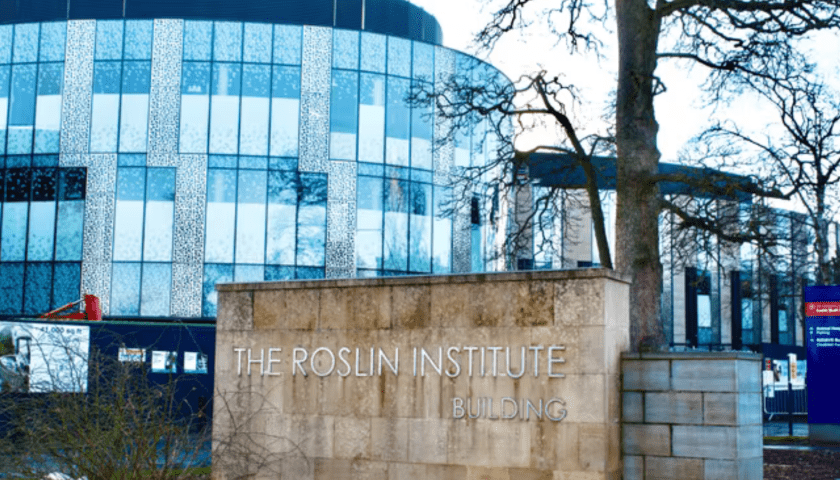
SCOTLAND – Researchers at the Roslin Institute in Edinburgh have established a new line of pig fat cells that can be grown consistently in the lab, a development they say could help solve one of the most persistent challenges in producing cultivated meat.
The project, led by scientists at the University of Edinburgh, focuses on a cell line called “FaTTy,” which originates from early-stage pig stem cells and is capable of producing fat tissue without relying on genetic alterations.
This development addresses a key technical limitation in cultivated meat production, where stem cells often lose their ability to generate fat cells efficiently when cultured over long periods.
According to the research team, the FaTTy cells maintain their potential to form fat tissue over time and can grow continuously in the lab environment.
Lead researcher Tom Thrower explained that the cells’ ability to grow indefinitely while retaining high fat-producing efficiency is unprecedented in livestock cell studies.
He said this quality sets the FaTTy cells apart from other stem cells used in cultivated meat research, which often become unreliable or unusable for fat generation.
Fat is an essential component of meat, contributing to taste and texture, and the inability to create realistic fat in lab settings has slowed down efforts to commercialize cultivated meat.
By offering a reproducible and scalable source of animal fat, the FaTTy cell line could help producers develop more convincing meat alternatives.
The cell line has already shown the ability to accumulate fat over a 40-day period, which researchers say demonstrates its long-term viability for food production.
Xavier Donadeu, the project’s principal investigator, stated that this method eliminates the use of animal-derived supplements and does not involve genetic engineering.
This approach could be particularly important for producers aiming to meet ethical standards and environmental targets in food production.
The Roslin Institute is now working with other scientists and commercial partners to make the FaTTy cells available for further research and development.
Sign up HERE to receive our email newsletters with the latest news and insights from Africa and around the world, and follow us on our WhatsApp channel for updates.