

Dutch-Nigerian study proposes fresh models to boost Nigeria’s potato seed supply
A new report outlines practical ways to connect Dutch seed producers with Nigerian farmers to improve potato yields in Plateau State.
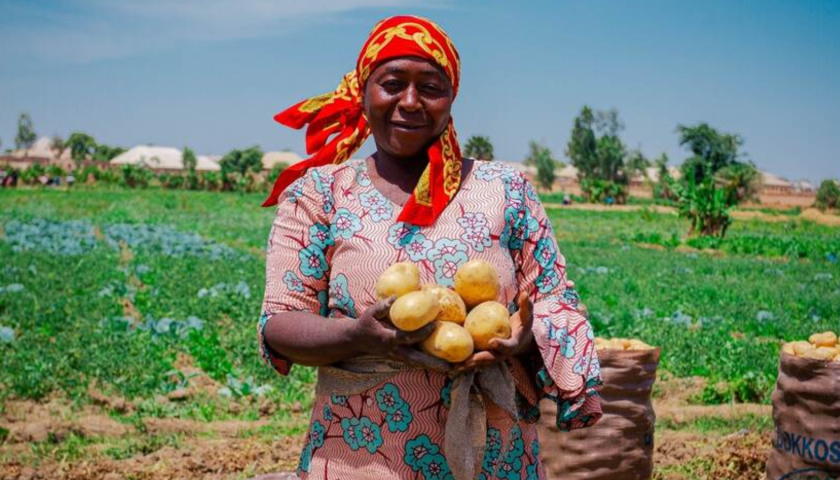
NIGERIA – Nigeria’s potato sector has long struggled with low yields, especially in Plateau State where smallholder farmers grow most of the country’s supply.
On average, farms produce less than seven tonnes of potatoes per hectare, well below global standards. Experts say one key issue is poor access to certified seed potatoes.
Most growers source seed through informal channels, using tubers from previous harvests without any clear measure of quality.
A new study commissioned by the Netherlands Ministry of Agriculture, Fisheries, Food Security and Nature and the Netherlands Enterprise Agency suggests possible ways to change this.
Sepia Foundation and Sahel Consulting led the study, which focuses on setting up a more reliable and sustainable seed supply system in Nigeria.
“Farmers in Plateau want better seed, but the options have been limited. This study provides a clear path forward,” said a spokesperson from Sepia Foundation.
Business models for change
The report introduces three main ways to improve the system. One model recommends that a local agribusiness import certified Dutch seed and take charge of multiplying and distributing it within the country.
Another suggests that Dutch seed be brought in, but that smallholder farmers in Plateau State handle multiplication under stronger quality control and certification rules.
A third option encourages domestic production through apical rooted cuttings (ARCs). These are grown in controlled screenhouses using in vitro material. This process would reduce dependence on imported seed while also lowering the risk of plant diseases.
The study also looks at using true potato seed (TPS), a method where hybrid seeds are grown into tubers. TPS could be easier to move and store and might help farmers in remote locations.
Growing market interest
Demand for high-performing varieties like Marabel and Connect is increasing in Nigeria. The country’s seed laws have also improved. Government reforms on plant variety protection and seed certification make it easier for new entrants to invest in the sector.
“There’s a clear market pull,” said an expert from Sahel Consulting. “But we need to link this demand with proper supply systems, training, and ongoing support.”
The report calls for Dutch and Nigerian stakeholders to pilot these models together. Success will require targeted investment and cooperation between public and private players.
Recent developments
In a related move, Nigeria’s National Agricultural Seeds Council recently launched a program to train more local seed inspectors.
This aims to tighten quality control and build trust among farmers. Meanwhile, Dutch seed companies have begun exploring long-term partnerships with agribusinesses in Plateau.
With stronger seed systems and improved partnerships, stakeholders believe the country’s potato output can improve significantly. “It starts with the seed,” said the Sepia Foundation representative. “Everything else follows from there.”
Sign up HERE to receive our email newsletters with the latest news and insights from Africa and around the world, and follow us on our WhatsApp channel for updates.

