

Beyond Meat to cut jobs as plant-based meat demand continues to drop
Company to lay off 6% of its global workforce
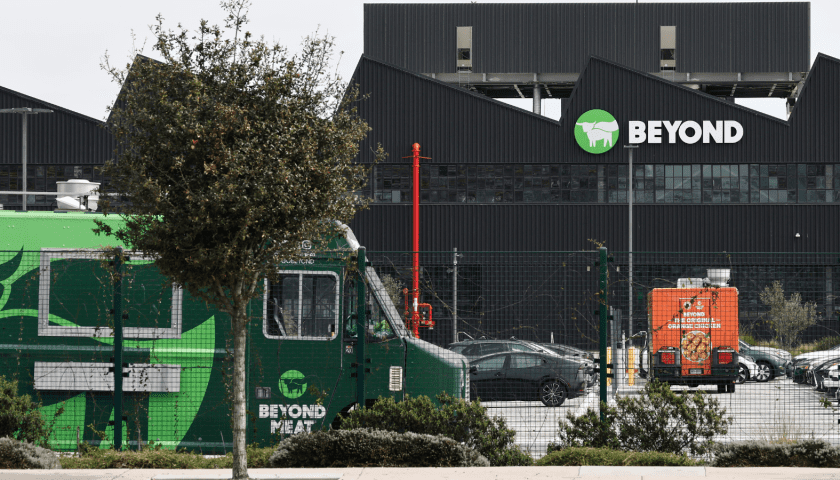
USA – Beyond Meat is laying off roughly 6% of its global staff, as it struggles with declining sales of its plant-based burgers, chicken and sausages.
The California-based company said the cuts will result in a one-time expense of between US$0.8 million and US$1.3 million, linked to severance and related costs.
In the same announcement, Beyond Meat appointed John Boken, a partner at AlixPartners’ Turnaround and Restructuring Services, as interim chief transformation officer to oversee the company’s restructuring strategy.
The move follows a prolonged decline in plant-based meat demand, with shoppers opting for cheaper animal-based proteins amid economic uncertainty and concerns over the highly processed nature of meat alternatives.
Falling Sales and Market Pressures
In the second quarter ending June 28, the company’s revenue fell 19.6% year-on-year to US$75 million, reflecting the ongoing pressure in both retail and foodservice channels.
Net loss during the period improved slightly by US$1.3 million from last year but remained high at US$33.2 million.
Sales in the U.S. retail segment dropped 26.7% to US$32.9 million, while international foodservice revenue decreased 25.8% to US$15.1 million.
Chief Executive Officer Ethan Brown said the company is “accelerating transformation activities” by cutting operating expenses to match anticipated short-term revenues, focusing distribution on its core product lines and investing in measures aimed at improving margins.
These actions come as Beyond Meat faces a third round of layoffs in the past three years, a trend that has also been seen at rival Impossible Foods.
Industry-Wide Downturn
The plant-based meat sector as a whole is experiencing a slowdown after years of rapid growth, with sales now moving in the opposite direction.
According to the Good Food Institute, U.S. sales of plant-based meat and seafood fell 7% in 2024 to US$1.2 billion, while unit sales dropped by 11%.
Beyond Meat’s decision to shrink its workforce is the latest step in its efforts to adjust to the current market conditions, which have eroded demand despite sales levels still being higher than a decade ago.
The company indicated it will continue aligning costs with actual demand while seeking opportunities to stabilise sales in its main product categories.
Sign up HERE to receive our email newsletters with the latest news and insights from Africa and around the world, and follow us on our WhatsApp channel for updates