

OK Zimbabwe outlines survival plan as debt and currency crisis bite
Supermarket chain seeks to restore stability after near collapse
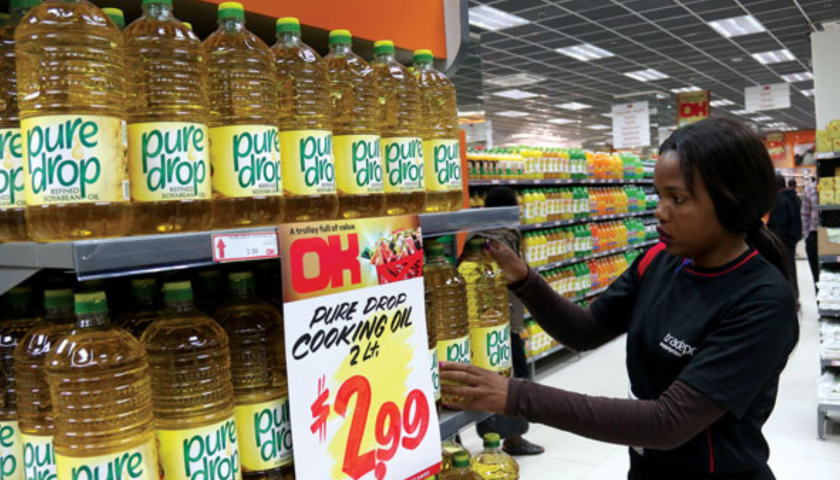
ZIBAMBWE – OK Zimbabwe Limited, one of the country’s biggest supermarket operators, is rolling out a recovery strategy after nearly shutting down last year due to rising debts, weak procurement decisions, and volatility in the local currency.
Chief executive officer Willard Zireva, who returned to the role in June after retiring in 2017, described the state of the business as “painful,” citing heavy liabilities, strained relations with suppliers, and empty shelves across stores.
He told a local radio station that his immediate priorities include stabilizing the company’s finances, re-establishing supplier confidence, and rebuilding customer loyalty.
The retailer, which trades on the Zimbabwe Stock Exchange, has secured US$20 million through a rights issue and is preparing to raise another US$10.5 million by selling assets, with the funds set aside for debt repayment and stock replenishment.
According to Zireva, the turnaround plan rests on three elements: restoring financial health, improving operational efficiency, and strengthening governance structures.
He said store refurbishments, staff retraining, and tighter cost controls are part of the operational changes, while governance reforms will emphasize accountability and transparency to shareholders.
Although he admitted the recovery will take time, Zireva expressed confidence in the measures, saying he viewed the crisis as an opportunity to rebuild rather than a sign of defeat.
Background to the crisis
In February, the company linked its difficulties to currency instability, which led to the closure of four outlets in the quarter ending December 2024.
Beyond exchange rate problems, retailers in Zimbabwe continue to face competition from informal traders who import goods illegally and sell them at lower prices, drawing customers away from established chains.
During the same period, company secretary Margaret Munyuru reported that stock availability fell by as much as 36 percent over the festive season, a time that usually brings in higher sales.
She said average daily stock levels dropped to about half of what was normally available, largely because suppliers and distributors had restricted deliveries.
Munyuru added that the company’s outstanding debts were denominated in US dollars, while most sales were in the local Zimbabwe Gold currency, which lost significant value in late September 2024 following an official exchange rate adjustment.
That devaluation, she explained, nearly doubled the supermarket chain’s obligations to lenders and creditors.
Currently, OK Zimbabwe operates 49 outlets across the country.
Sign up HERE to receive our email newsletters with the latest news and insights from Africa and around the world, and follow us on our WhatsApp channel for updates.