
South Africa’s Sea Harvest Group reports 91% increase in H1 FY25 earnings
Basic HEPS climbs 91% in H1 2025
SOUTH AFRICA – Sea Harvest Group is reporting a 91 percent increase in basic headline earnings per share for the first half of 2025, supported by higher catches and stronger sales in European markets.
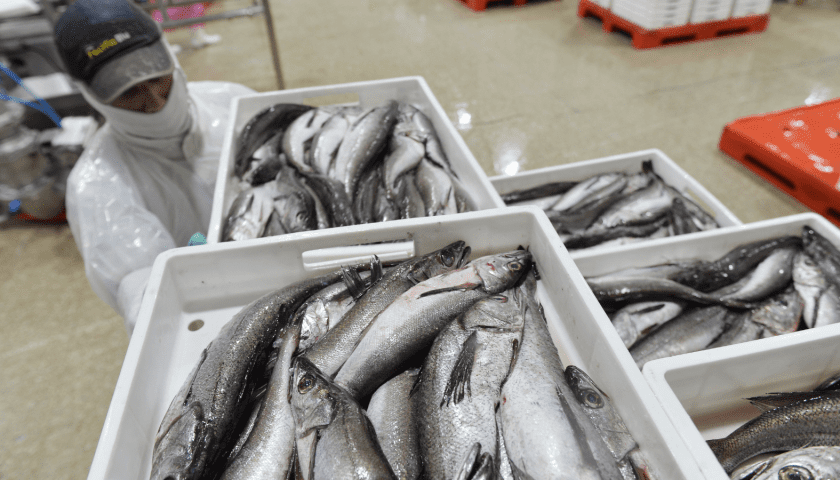
The company’s fishing division delivered the bulk of the gains, with hake demand rising as cod supplies in Northern Europe tightened, creating a market gap for South African exports.
Chief executive Felix Ratheb told CNBC Africa that better catch rates combined with low fuel prices gave the company an advantage in meeting growing demand.
He added that Sea Harvest invested over US$16 million (300 million rand) in four new vessels, expanding its fleet and enabling it to meet quotas more effectively.
According to Ratheb, hake catch rates remained high through July and August, while the group’s pelagic and Australian prawn businesses also contributed positively to the overall performance.
Revenue rose 21 percent, driven by both organic growth and the effect of earlier acquisitions, but Ratheb said the company is now shifting focus from rapid expansion to consolidating its operations.
The emphasis, he noted, will be on strengthening cash flow, reducing debt, and paying dividends, although no interim dividend has been declared as payouts are made annually once financial stability is confirmed.
Regional and global dynamics
In South Africa, fish consumption is climbing as more households opt for protein alternatives considered healthier, generating 6 percent growth in the local market.
European sales, however, continue to outpace domestic demand, with hake exports into the region up 30 percent as limited cod supplies create opportunities for substitutes.
Ratheb also pointed to geopolitical factors affecting seafood supply chains, including US tariffs and sanctions on Russian seafood, which have altered global trade flows in ways that benefit Sea Harvest.
With Europe sourcing less from Russia and the US redirecting some seafood exports to Europe, demand for South African hake has increased.
Strategic direction
Looking ahead, the group has no immediate plans for further acquisitions, preferring instead to focus on existing businesses.
One area of attention remains its abalone operations in China, where the company aims to expand its market position despite current economic uncertainty in the region.
Ratheb said he remains confident that the second half of the year will reflect continued strength, with winter catches supporting overall supply and international demand staying firm.
Sign up HERE to receive our email newsletters with the latest news and insights from Africa and around the world, and follow us on our WhatsApp channel for updates.