
Maersk raises South Africa port charges to US$4.8 after TPT fuel neutrality fee
Maersk stated that the surcharge applies to all trade lanes to and from South Africa and covers both import and export container movements.
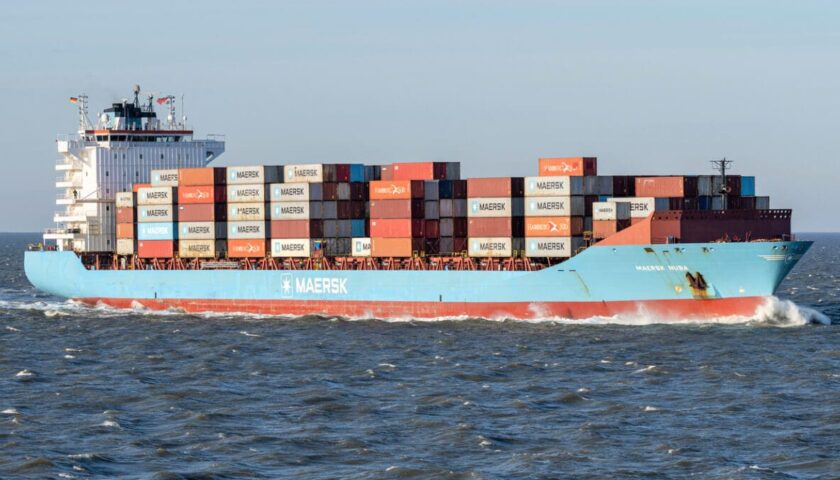
SOUTH AFRICA – Maersk has announced higher Port Additional Export and Port Additional Import charges for cargo moving through South African ports, increasing rates from ZAR52 (US$3.22) to ZAR78 (US$4.82) per container following the introduction of a Fuel Neutrality Charge by Transnet Port Terminals.
The revised charges apply to all containers handled through South African ports and are intended to recover the Fuel Neutrality Charge.
Implementation Timeline and Regulated Markets
The revised rates for non-regulated countries took effect on 15 June 2026. Regulated countries, as well as exports from Brazil and South Korea, will be subject to the higher charges from 15 July 2026.
This timing difference accommodates regulatory approval processes in certain markets, while Brazilian and Korean exports undergo phased implementation to align with existing trade agreements.
Monthly Fuel Charge Reviews and Pricing Calculation
According to Maersk, the Fuel Neutrality Charge introduced by TPT will be reviewed monthly and may be adjusted in response to changes to the underlying fee structure.
As a result, the total cost of shipping through South African ports may fluctuate frequently, requiring shippers to monitor changes closely.
For non-spot bookings, pricing calculations will continue to be based on the Price Calculation Date (PCD). For non-FMC trades, this is the scheduled departure date of the first ocean leg at booking confirmation. FMC-regulated trades will use the last container gate-in date.
For spot bookings, the applicable rate will be determined by the estimated departure time of the first vessel at booking confirmation.
Additional Surcharges and Trade Lane Coverage
Maersk stated that the surcharge applies to all trade lanes to and from South Africa and covers both import and export container movements. The revised tariffs remain subject to additional local and contingency surcharges and do not replace existing regulatory tariff requirements in applicable jurisdictions.
The underlying fuel fees are subject to monthly reviews, meaning total shipping costs through the region may continue to fluctuate, requiring supply chain managers to maintain flexibility in their logistics planning.
This development highlights the vulnerability of South African trade to shifts in terminal operating costs and the broader maritime infrastructure’s energy pricing dynamics.
Sign up HERE to receive our email newsletters with the latest news and insights from Africa and around the world, and follow us on our WhatsApp channel for updates.