Abu Dhabi to launch framework for regulatory approval of cultivated meat, novel proteins
The UAE capital moves to establish international-standard rules for alternative proteins as part of its food security strategy.
UAE – Abu Dhabi is developing a new regulatory framework for approving novel foods such as cultivated meat and precision fermentation-based dairy, a step aimed at advancing food security and positioning the city as a regional hub for food innovation.
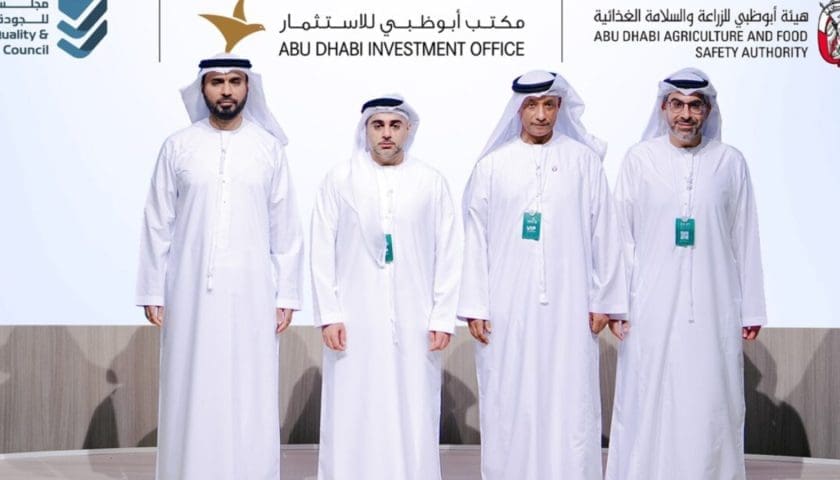
The initiative is a joint effort between the Abu Dhabi Agriculture and Food Safety Authority (ADAFSA), the Quality and Conformity Council (QCC), and the Abu Dhabi Investment Office (ADIO).
Officials said the system is designed to align with leading global practices while reducing approval timelines for new products by six to nine months.
The announcement follows ADIO’s recent partnership with precision fermentation companies Vivici and The Every Company to assess the setup of a four-million-litre production plant in Abu Dhabi, a project expected to benefit from the upcoming framework.
Developing a Modern Food Regulation System
According to ADAFSA’s acting director-general, Dr Tariq Ahmed Al Ameri, the new framework demonstrates Abu Dhabi’s readiness to integrate advanced technologies such as cultivated proteins and fermentation-derived foods into its regulatory structure.
The system will consolidate key approval processes, including product registration, halal certification, and production or import permits, through a single contact point to simplify procedures and speed up market access.
It will also introduce a science-based risk assessment model that takes into account the technology’s maturity level, while updating the halal certification process to align with standards from major Islamic markets such as Malaysia and Indonesia.
Authorities said this adjustment will strengthen international recognition of UAE halal certificates and enhance the competitiveness of local exports.
A national database of approved food products and comprehensive technical guidelines will be created to ensure transparency and consistency for both regulators and producers.
QCC’s acting secretary-general, Fahad Gharib Al Shamsi, noted that the council’s involvement aims to guarantee product conformity, particularly for halal items, in line with high safety and quality benchmarks.
Linking Innovation to Food Security
The initiative supports the UAE’s ambition to become the world’s most food-secure nation by 2051, with Abu Dhabi currently importing about 90% of its food.
Officials view the regulation of novel foods as critical to encouraging innovation, diversifying the food supply, and attracting agrifood and biotech investments.
In 2023, the city introduced the AgriFood Growth and Water Abundance (AGWA) cluster to support sustainable food production, which is projected to contribute about US$24.5 billion to GDP and create 60,000 jobs by 2045, backed by investments worth US$34.8 billion.
ADIO director-general Badr Al-Olama said the collaboration will combine progressive regulation with strong investment incentives to build a competitive business ecosystem for food technology.
Meanwhile, several companies in the alternative protein space are already eyeing the UAE, including Israel’s Aleph Farms, which plans to apply for approval to sell cultivated beef in the country.
Aleph Farms CEO Didier Toubia said the firm’s food security agenda aligns with the UAE’s priorities, especially amid global supply chain disruptions affecting animal protein trade.
Sign up HERE to receive our email newsletters with the latest news and insights from Africa and around the world, and follow us on our WhatsApp channel for updates.