
Algeria is holding off global supermarkets to protect local retail, report shows
Despite economic growth and a young, urban population, Algeria continues to turn away international supermarket chains in favour of its deeply rooted local shopping culture.
ALGERIA – According to veteran retail analyst Riad Beladi, Algeria is experiencing economic and social growth, yet it continues to resist the influx of international supermarket chains, maintaining its traditional shopping culture.
The market analyst with over 30 years of experience tracking retail across the United States and Europe, describes Algeria’s stance as intentional and rooted in its identity. “It is not simply a market gap,” he says. “It is a deliberate cultural, political, and economic stance.”
The country’s approach has puzzled many global retail experts. But for those who understand Algeria’s cultural and political history, the decision makes sense.
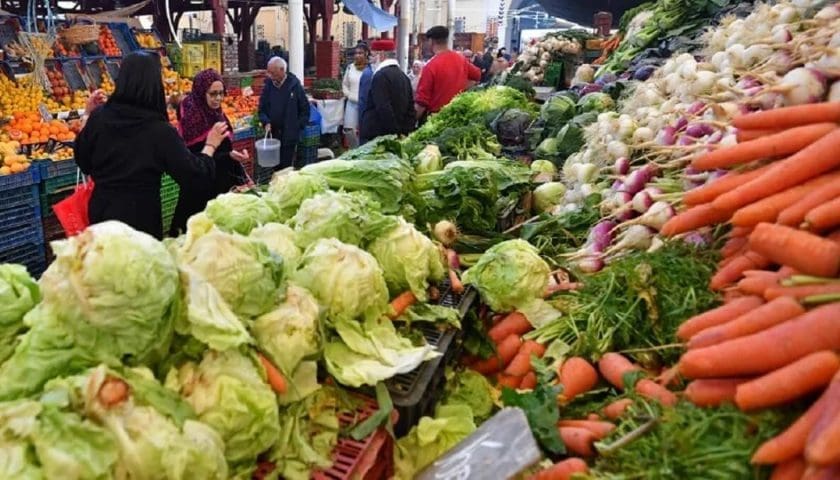
“Algerians don’t just shop to buy things – they connect with people,” said Beladi. “Shopping here is personal. You speak with your butcher. You ask the fruit seller how his kids are. That doesn’t happen at a checkout machine.”
Traditional markets hold strong
According to the analysis, Algerians prefer daily or frequent shopping rather than bulk buying. This habit, deeply rooted in their culture, supports thousands of small traders who supply food, produce, and household goods across neighbourhoods. Many of these shops are family-run and have existed for generations.
“The local grocer knows what kind of olive oil my grandmother likes. He knows when to bring out the good dates. You can’t replace that with shelves and a barcode scanner,” said Amel B., a shopper in Algiers.
This loyalty to local business isn’t only about comfort. Algeria’s government has actively avoided opening the door to international supermarket chains, citing concerns about job losses and foreign economic influence.
In a country still sensitive to its colonial past, the state’s position signals a clear message: economic growth should not come at the cost of local identity.
Even if Algeria were to open its doors to global retailers, entering the market would still be difficult. Urban land is fragmented, making it tough to find space for large supermarkets.
The country’s supply chains are strong at the local level but do not support the kind of centralised operations global chains rely on. Shoppers like to touch and choose their own fruits, smell spices, and chat with vendors.
Pre-packaged goods under fluorescent lights don’t match these expectations. The continued reliance on cash payments also slows down the adoption of the self-service retail model.
A future of retail innovation
While Algeria is not rejecting modernization, it is choosing a path that aligns with its values. “Algeria is selectively modernizing,” said Beladi. “Retail innovation doesn’t have to follow the Western model of superstore domination.”
The country is seeing the rise of hybrid models, including local mini-markets that blend traditional shopping practices with modern infrastructure. Algeria is also beginning to experiment with digital delivery services and regional co-operatives.
Algeria is paving the way for an alternative retail model. By prioritizing community, local flavor, and economic autonomy, Algeria may be setting a trend for how countries can modernize while retaining their cultural identity.
Sign up HERE to receive our email newsletters with the latest news and insights from Africa and around the world, and follow us on our WhatsApp channel for updates.