
Alkemist Labs flags persistently adulterated herbs, fungi in 2025 watchlist report
It identifies ingredients most prone to identity failures, providing a critical resource for manufacturers to protect product integrity.

U.S.A. – Alkemist Labs, a botanical and dietary supplement testing laboratory, has published its 2025 “Herbs & Fungi We’re Watching” report, identifying the ingredients most frequently failing identity testing during the first eight months of the year.
Using High Performance Thin-Layer Chromatography (HPTLC), Alkemist analyzed raw botanicals, extracts, and finished product blends to confirm authenticity and detect adulteration.
Holding a flexible scope ISO 17025 accreditation for this method, the laboratory can pinpoint substitutions with incorrect plant parts, contamination from closely related species, and other unknown materials.
This testing process applies across crude botanicals in whole or powdered form, powdered or liquid extracts, and complex finished blends, providing manufacturers with a reliable means of safeguarding product integrity.
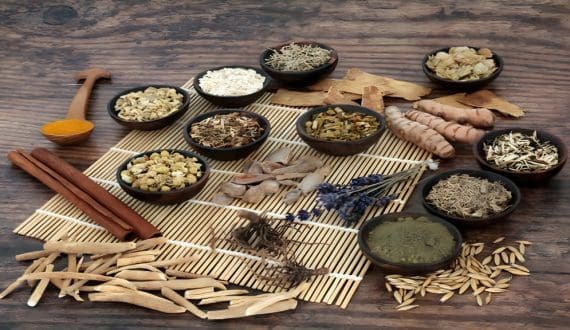
The latest list of frequently flagged ingredients includes Indian barberry, tea, reishi, lion’s mane, chamomile, lemon balm, Asian ginseng, guarana, rhodiola, saw palmetto, luo han guo (monk fruit), Japanese sophora, stevia, dandelion, wheat, slippery elm, nettle (stinging nettle), valerian, grape, and ashwagandha.
Common names are drawn from the American Herbal Products Association’s Herbs of Commerce 3rd Edition, the definitive standard for proper botanical and fungi labeling.
Interestingly, elderberry, which had previously appeared as a common problem ingredient, no longer features on this list, suggesting that certain adulteration trends may fluctuate over time as market conditions and supply chains evolve.
A notable aspect of the 2025 findings is the recurrence of many ingredients that have appeared on prior watchlists.
Tea, reishi, lion’s mane, chamomile, lemon balm, guarana, rhodiola, saw palmetto, monk fruit, stevia, dandelion, nettle, valerian, grape, and ashwagandha continue to exhibit authenticity challenges.
Their repeated presence underscores systemic vulnerabilities within botanical supply chains, whether stemming from economic pressures, limited raw material availability, inconsistent supplier standards, or lapses in communication between growers, manufacturers, and brand owners.
Persistent failures may also indicate that certain high-demand botanicals are more susceptible to substitution, misidentification, or dilution, all of which can compromise product quality and safety.
“We provide this information on current identity problems Alkemist is seeing to augment some of the other excellent tools available to the industry in supporting ingredient and product quality,” said Petra Erlandsen, Vice President of Sales at Alkemist Labs.
She emphasized that the report reflects trends observed in testing for the laboratory’s manufacturer clients and is intended to help the wider industry maintain vigilance.
“This list, along with other resources such as the Botanical Adulterants Prevention Program (BAPP) bulletins and laboratory guidance documents, can be critical tools for the market to stay vigilant against adulteration and other quality issues,” Erlandsen noted.
The recurring appearance of many ingredients highlights the continued importance of rigorous identity verification protocols, comprehensive supplier vetting, and improved transparency throughout the supply chain to protect consumers and ensure product consistency.
Sign up HERE to receive our email newsletters with the latest news and insights from Africa and around the world, and follow us on our WhatsApp channel for updates.