Skip to content


Published
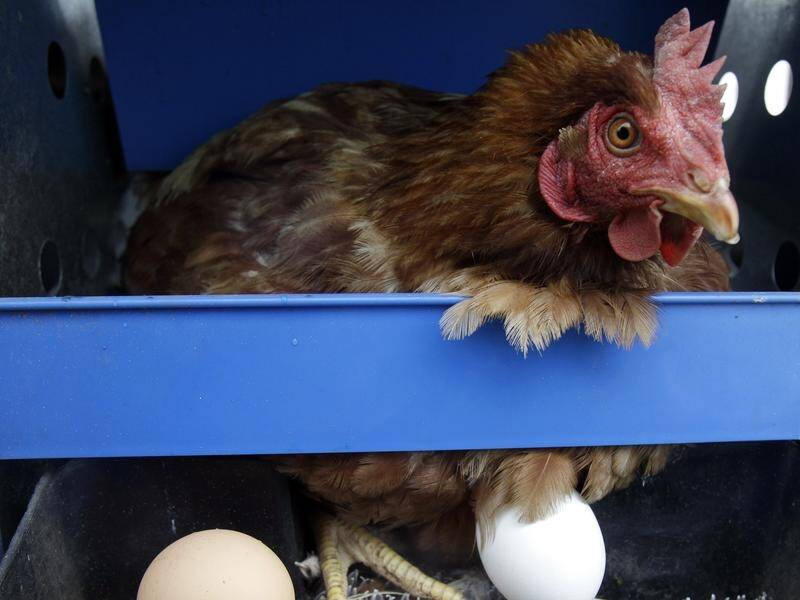
AUSTRALIA – Australia is struggling with a significant bird flu outbreak, forcing McDonald’s to reduce its breakfast hours by an hour and a half due to an egg shortage.
This crisis, triggered by avian influenza, has resulted in the culling of approximately 1.5 million chickens, as reported by Reuters.
In a recent Facebook post, McDonald’s acknowledged the supply challenges impacting their breakfast menu.
The fast-food giant announced that, starting Tuesday, breakfast service will end at 10:30 a.m. instead of the usual noon.
“Like many retailers, we are carefully managing supply of eggs due to current industry challenges,” the company stated, emphasizing their efforts to collaborate with Australian farmers and suppliers to resolve the issue promptly.
Since May, multiple strains of highly pathogenic avian influenza have hit 11 poultry farms in southeastern Australia, primarily affecting egg producers.
Although none of these strains are the H5N1 variant known for global spread among birds and mammals, the impact has been significant.
Despite only affecting less than 10% of Australia’s egg-laying hens, the virus has led to several retailers limiting egg purchases to prevent stockpiling and shortages.
Rowan McMonnies, managing director of Australian Eggs, commented on the situation, highlighting the industry’s efforts to manage supply and ensure eggs remain available to consumers.
“There has been some disruption to egg supply, with shelves in some stores emptying towards the end of the day,” McMonnies said.
However, he reassured the public that over 20 million hens are still being cared for by hundreds of egg farmers nationwide, who are dedicated to maintaining a steady supply.
The bird flu, typically spread from wild birds to farmed poultry, marks Australia’s 10th outbreak since 1976.
The government has consistently managed to contain and eradicate the virus in previous instances, and authorities are optimistic about their current efforts.
They assert that the situation is under control, despite the temporary disruptions in the egg supply chain.
Liked this article? Subscribe to Food Business Africa News, our regular email newsletters with the latest news insights from Africa and the World’s food and agro industry. HERE
No related posts.
We use cookies to improve your experience on our site. By using our site, you consent to cookies.
Manage your cookie preferences below:
Essential cookies enable basic functions and are necessary for the proper function of the website.
These cookies are needed for adding comments on this website.
Google's current Sign in with Google client library. It renders the Google sign-in button, or the One Tap prompt, so visitors can log in to your site with their Google account. It replaces the older Google Sign-In platform library.
Service URL: policies.google.com (opens in a new window)
Google Tag Manager simplifies the management of marketing tags on your website without code changes.
Statistics cookies collect information anonymously. This information helps us understand how visitors use our website.
Google Analytics is a powerful tool that tracks and analyzes website traffic for informed marketing decisions.
Service URL: policies.google.com (opens in a new window)
WPMU DEV Analytics is the visitor statistics feature of the WPMU DEV Dashboard plugin. It reports traffic and visitor behavior inside The Hub using a Matomo analytics instance hosted by WPMU DEV.
Service URL: wpmudev.com (opens in a new window)
Marketing cookies are used to follow visitors to websites. The intention is to show ads that are relevant and engaging to the individual user.
AddToAny provides share and follow buttons that let visitors post your pages to social networks, messaging apps, and bookmarking services.
Service URL: www.addtoany.com (opens in a new window)