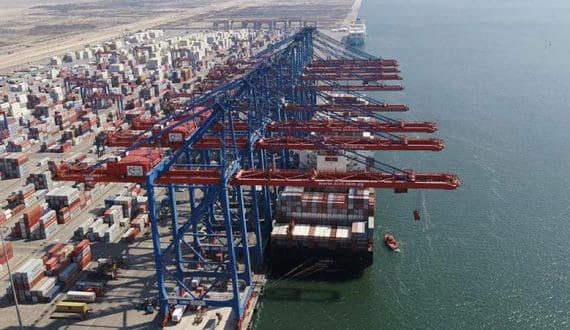
Banana exports rise to US$76M in 2025, ranking third among Ghana’s US$710M non-traditional exports
GEL produces approximately 110,000 tonnes annually, 25% of which is certified organic.
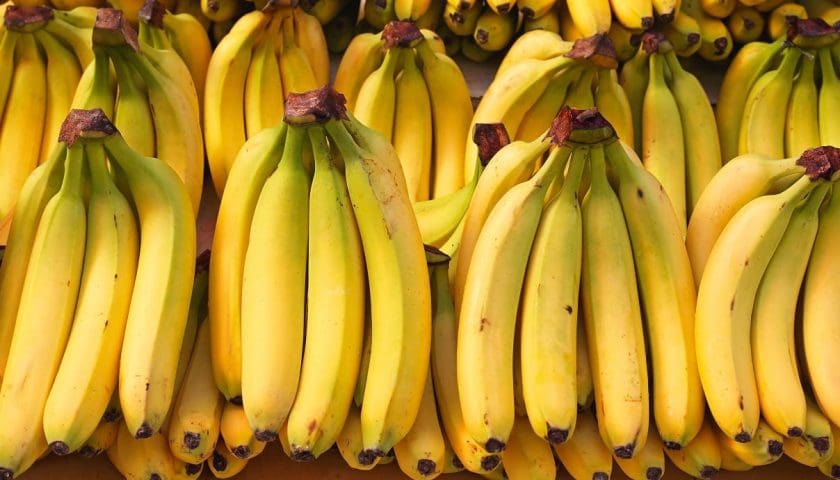
GHANA – Ghana’s banana exports have risen to US$75.99, contributing to a 37.8% surge in non-traditional agricultural exports, which reached US$710 million in 2025, driven by cashew, shea, and cut flowers.
Bananas ranked third among non-traditional agricultural exports, earning US$75.99 million, up 27% from the previous year.
Ghana’s banana export success is largely attributed to the advanced technological and irrigation management adopted by Golden Exotics Limited (GEL), the country’s primary producer and a subsidiary of the French group Compagnie Fruitière.
GEL produces approximately 110,000 tonnes annually, 25% of which is certified organic. The company also benefits from a unique greenhouse cultivation approach that leverages precise water management, critical during Ghana’s dry season, to ensure year-round production.
In addition, research indicates that optimal banana cultivation in Ghana’s tropical climate requires maintaining indoor temperatures around 38.1°C with relative humidity of 80%, conditions that GEL has successfully engineered through its greenhouse systems.
As a result, this technological edge enables Ghana to consistently supply high-quality bananas to European and Sahelian markets, supporting the 27% revenue increase reported in 2025.
On the other hand, cashew nuts remained the primary driver, with export revenues up 10% year on year to US$297.59 million, accounting for 42% of total receipts from non-traditional agricultural products.
Shea nuts ranked second, generating US$177.79 million, more than double the US$82.1 million recorded in 2024, and recorded the fastest growth among the top three products.
The surge was attributed to policy shifts, notably an anticipated ban on raw shea nut exports announced in July 2025, which prompted exporters to accelerate shipments before the measure takes effect.
For investors, policy shifts such as export bans on raw commodities create both immediate opportunities and long-term strategic considerations. The acceleration of shea shipments before the ban demonstrates how regulatory deadlines can drive short-term export surges.
However, the ban also signals a push toward domestic processing, creating investment opportunities in shea butter processing facilities that can capture value from raw nuts that would otherwise be exported.
For investors, Ghana’s evolving trade landscape offers opportunities in cashew and shea value chains, cut-flower logistics, and banana export infrastructure as the nation continues to diversify beyond cocoa.
Sign up HERE to receive our email newsletters with the latest news and insights from Africa and around the world, and follow us on our WhatsApp channel for updates.