

Bird flu (H5N1) found in sheep for the first time ever
A case of bird flu has been identified in a sheep in the UK, marking the first known instance of the virus in the species. Experts say the risk to livestock and humans remains low, but authorities are monitoring the situation.
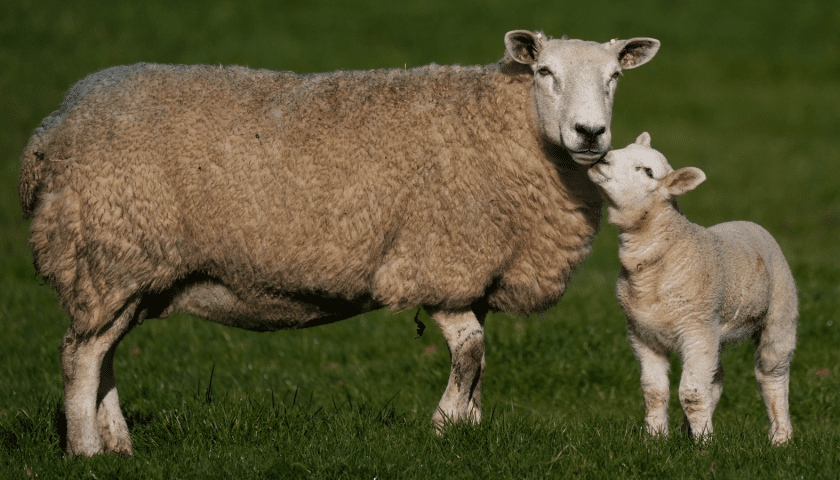
UK – A case of H5N1 bird flu has been detected in a sheep in Yorkshire, England, making it the first known instance of the virus infecting the species.
The infection was discovered during routine testing on a farm where bird flu had previously been found in poultry, according to UK health officials.
No other sheep in the flock tested positive, and the infected animal has since been culled to prevent any potential spread.
Christine Middlemiss, the UK’s chief veterinary officer, stated that strict biosecurity measures have been put in place following the discovery.
She urged farmers and livestock owners to maintain high hygiene standards and immediately report any signs of infection to the Animal and Plant Health Agency.
Although bird flu mainly affects birds, it has been found in various mammals, including cats, foxes, otters, pigs, and dairy cows.
Scientists were surprised when the virus was recently identified in cows, as it was previously believed that these animals were not easily susceptible to infection.
In the United States, a variant of H5N1 is now considered endemic in dairy cattle, raising concerns about how the virus is spreading across species.
The disease has also been detected in humans, mostly among farm workers who have been in contact with infected poultry or livestock.
The most recent human case in the UK was reported in January, involving a farm worker exposed to infected birds.
Dr. Meera Chand, who leads emerging infections at the UK Health Security Agency (UKHSA), stated that while mammals can contract the virus, there is no current evidence suggesting it spreads easily between people.
She added that UKHSA remains prepared to respond quickly if a human case emerges, working closely with the NHS and other agencies.
Bird flu can cause severe illness, including pneumonia, and experts are closely monitoring H5N1 for any mutations that could make it more transmissible among humans.
Robin May, the chief scientific adviser at the Food Standards Agency, said officials are coordinating with other departments to assess any risks.
He reassured the public that the virus is not typically transmitted through food, meaning there is a very low food safety risk for consumers.
Sign up HERE to receive our email newsletters with the latest news and insights from Africa and around the world, and follow us on our WhatsApp channel for updates.

