Botswana partially lifts ban on South African Vegetables
BOTSWANA – Botswana has officially lifted its ban on vegetable imports from South Africa, providing relief to farmers in the North West province who rely on cross-border trade for their livelihoods.
The North West Department of Agriculture and Rural Development has welcomed this decision, which is expected to support economic recovery and job creation in the region.
Farmers in the North West province have faced difficulties since the ban took effect, cutting them off from one of their major markets.
The decision to ease restrictions, announced on December 13, 2024, is expected to revive agricultural trade between the two neighboring countries.
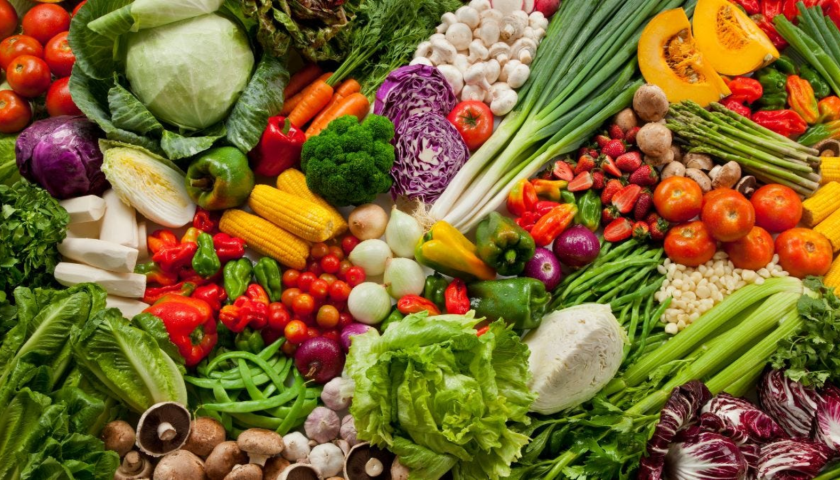
The lifting of the ban will occur in phases, with the first phase allowing the export of turmeric, patty pan, pumpkin, green peas, mushrooms, and eggplants.
The second phase, set for April 2025, will include other vegetables such as beetroot, butternut, onions, tomatoes, sweet potatoes, sweet pepper, potatoes, and watermelon.
MEC for Agriculture and Rural Development, Madoda Sambatha, expressed optimism about the development.
“We welcome Botswana’s decision to reopen its market to our vegetable exports. This is a victory for our farmers, who have been eager to resume trade with our neighboring country. We remain committed to fostering agricultural partnerships that benefit both nations.”
The provincial government has urged local farmers and exporters to take advantage of the reopening market.
Farmers planning to trade with Botswana must ensure they obtain the necessary import and export certificates to comply with regulations.
While Botswana has reopened its borders for vegetable imports, neighboring Namibia continues to enforce restrictions on South African produce.
Namibia introduced its ban in December 2021, aiming to strengthen local agricultural production and reduce dependence on external suppliers.
The restriction has caused instability for farmers on both sides of the border, disrupting trade within the Southern African Customs Union (SACU).
Namibia has been reviewing the ban on a monthly basis but has yet to remove the restrictions. The government insists the measure is necessary to safeguard domestic farmers and maintain food security.
However, the prolonged enforcement has sparked criticism, with stakeholders arguing that the uncertainty is making it difficult for farmers to maintain stable market relationships.
Sign up HERE to receive our email newsletters with the latest news and insights from Africa and around the world, and follow us on our WhatsApp channel for updates.