
Brazil seafood output passes 4.8 million tons as shrimp, tilapia and tambaqui dominate sales
Government targets consumption habits, traceability systems and supply chain upgrades
BRAZIL – Brazil records seafood production above 4.8 million tons as aquaculture and wild capture continue to expand across national waters.
The sector output is split between about 1.78 million tons from wild fisheries and more than 3.1 million tons from aquaculture.
The industry employs more than 1 million registered fishermen, with women accounting for roughly 507,000 of the total workforce.
Within the Águas da União aquaculture program, there are 1,422 active contracts supporting production activity across federal waters.
That segment generates about 4,126 direct jobs and more than 16,000 indirect positions linked to logistics, processing and distribution networks.
National fish consumption averages 12 kilograms per person each year, although regional differences push some states above 40 kilograms.
Ceará, Pernambuco, and Amazonas are among the regions reporting the highest intake levels relative to the national average.
Fisheries and Aquaculture Minister Edipo Araujo said the government is working to reduce seasonal fluctuations in fish consumption tied to holidays.
He added that imports such as cod still dominate festive demand and that domestic supply should replace reliance on foreign species.
Araujo also said improvements are needed in handling and transport systems so fish reach consumers in better condition.
Authorities have also emphasized strengthening artisanal fisheries as part of wider rural livelihoods and cultural food systems.
National Secretary for Artisanal Fisheries Cristiano Ramalho said policy direction includes expanding opportunities for small-scale fishing communities.
He linked the sector to employment, food security and social dynamics in fishing regions across the country.
Aquaculture director Juliana Lopes highlighted the contribution of workers during public remarks marking Labour Day events.
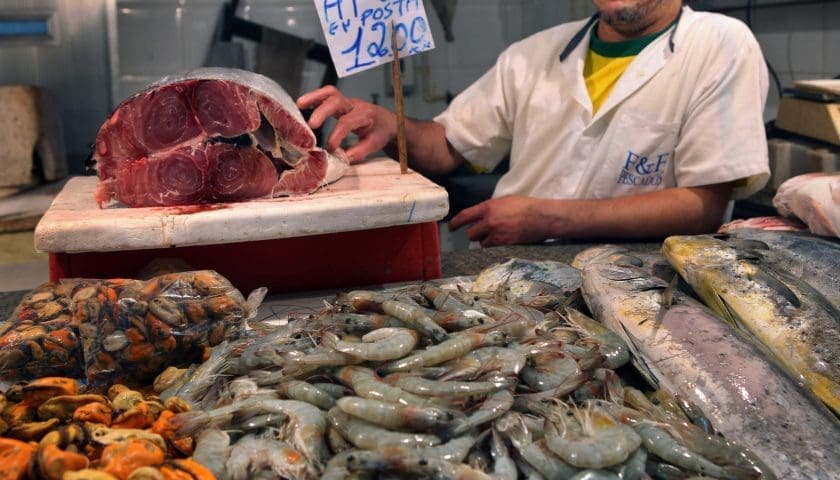
Shrimp, tilapia and tambaqui remain the leading species in domestic sales and continue to shape production priorities.
The government is now prioritising traceability systems to track fish from production sites to retail markets.
Officials say improved water-to-table monitoring could increase export competitiveness while raising safety standards for domestic consumers.
Authorities are also considering incentives to reduce production costs and stabilise supply, so fish becomes a regular protein source rather than a seasonal product.
Sign up HERE to receive our email newsletters with the latest news and insights from Africa and around the world, and follow us on our WhatsApp channel for updates.