Brazilian labor minister to review JBS case
Luiz Marinho halts routine process in rare move

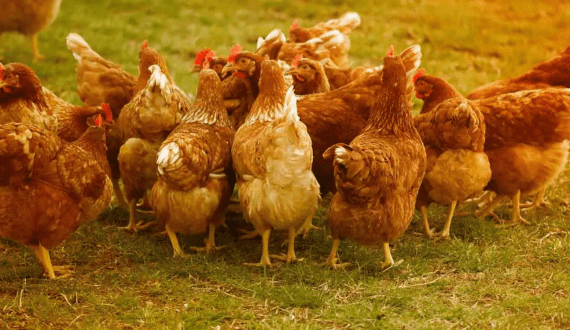
BRAZIL – Brazil’s Labor Minister Luiz Marinho is personally reviewing a case that could result in a poultry unit of JBS SA being placed on the country’s slave labor blacklist.
The review marks a departure from the standard procedure, raising concerns among inspectors and legal experts about potential political interference in Brazil’s efforts to curb modern slavery.
The ministry has not responded to detailed questions from Reuters but confirmed that the proceeding remains under analysis and that JBS has filed appeals.
The case traces back to a federal raid in 2023 that uncovered ten people working in degrading conditions for a contractor handling cargo at JBS Aves, located in Rio Grande do Sul.
Inspectors reported that workers were subjected to shifts lasting up to 16 hours, lived without clean drinking water, and faced unlawful wage deductions that restricted their ability to leave the job.
In response to the allegations, JBS said it immediately suspended the contractor, ended the agreement, and blocked the company from future work, stating it maintains zero tolerance for labor and human rights abuses.
Despite this defense, labor inspectors ruled on August 6 that JBS bore responsibility for the conditions because it failed to ensure that its contractor complied with labor laws.
Under normal circumstances, such a decision would place the company on the so-called “dirty list,” an official register of employers found to have subjected workers to slavery-like conditions, which is due for an update in October.
Inclusion on the list lasts for two years and not only damages reputations but also prevents companies from accessing certain types of loans from Brazilian banks, a risk that could have significant financial consequences for JBS.
Concerns over ministerial intervention
A legal opinion from Brazil’s solicitor general’s office argued that the minister could assume control of the case due to JBS’s economic weight, highlighting the company’s role as one of the country’s largest employers with around 158,000 staff.
Its Seara division, which operates JBS Aves, reported net revenue of US$2.2 billion from April to June, representing roughly a tenth of JBS’s total income during that period.
The opinion warned that placing JBS Aves on the blacklist could affect the company’s assets, business relationships, market image, and even broader economic activity.
Marinho exercised that option and withdrew the case for his direct review, according to documents seen by Reuters.
The move is considered unprecedented since the blacklist was established more than two decades ago, according to inspectors and legal specialists.
The intervention has drawn criticism, with the association of federal labor inspectors in Rio Grande do Sul expressing “deep bewilderment and concern” in a public statement.
Labor law expert Livia Miraglia from the Federal University of Minas Gerais said the decision could set a precedent for other firms to request ministerial intervention in similar cases, adding she had never encountered such a move in over 20 years of research.
Sign up HERE to receive our email newsletters with the latest news and insights from Africa and around the world, and follow us on our WhatsApp channel for updates.