
Brazilian meat exports to Libya rise in 2025
Beef sales rise sharply while poultry records a decline.
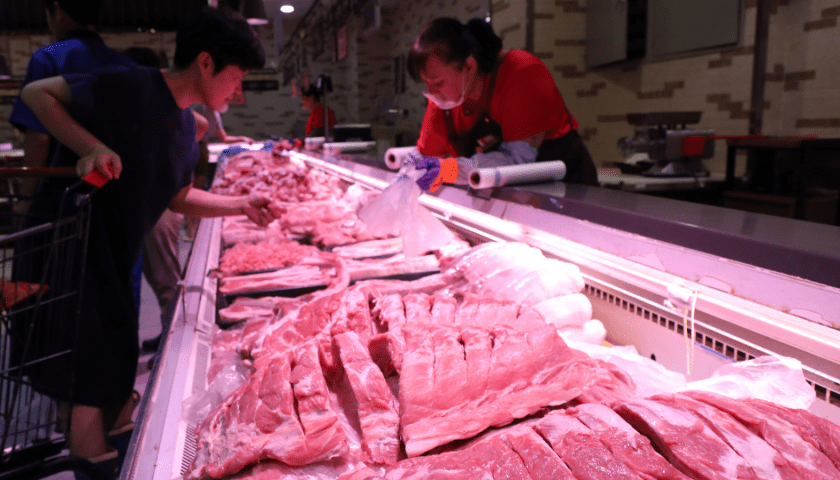
LIBYA – Brazil’s meat exports to Libya have expanded in 2025, with beef sales rising by nearly 75 percent between January and July compared to the same period last year, reaching US$76 million.
Sugar shipments also increased, climbing 15.1 percent to US$68.8 million, pointing to stronger demand for food commodities from Brazil.
Poultry exports, however, fell by 5.5 percent to US$103.7 million, although the product still ranked as Brazil’s second-largest category shipped to Libya.
Iron ore remained the top export at US$146.8 million, but this figure reflected a 10 percent year-on-year decrease.
Overall trade balance
Data from Brazil’s Ministry of Development, Industry, and Trade shows that total exports to Libya amounted to US$421.9 million in the first seven months of 2025.
In contrast, Libyan goods imported into Brazil were valued at only US$793,000 during the same period, highlighting a highly uneven trade balance.
Officials observed that the 2025 figures have already surpassed Libya’s annual import totals from Brazil recorded between 2014 and 2022.
Shifting trade patterns
Analysts note that Libya’s dependence on imported food products continues to shape the trade relationship, with Brazil emerging as a key source for meat, sugar, and grains.
The sharp rise in beef exports and the increase in sugar indicate that Brazil is diversifying its export mix, reducing reliance on poultry and iron ore.
Meanwhile, the drop in poultry and iron ore reflects changes in Libya’s consumption patterns and broader market pressures.
Libya’s market role
While Libya’s import volumes are smaller compared to other countries in the Middle East and North Africa, it remains an important destination for Brazilian goods.
For Libya, access to food and agricultural products from Brazil is vital for addressing domestic supply challenges linked to political and economic instability.
The current trade dynamics show that although imbalances persist, the partnership is evolving, with meat and sugar playing a growing role in bilateral commerce.
Sign up HERE to receive our email newsletters with the latest news and insights from Africa and around the world, and follow us on our WhatsApp channel for updates.