

China moves to restrict hog production to steady pork prices
Authorities urge farmers to limit expansion and reduce slaughter weights amid deflation concerns.
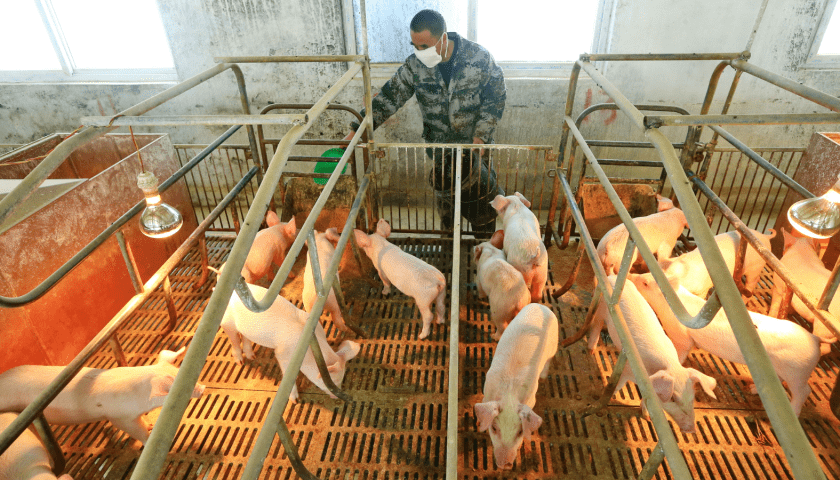
CHINA – China is taking steps to control pork output by discouraging hog farmers from expanding their herds and from fattening pigs beyond typical slaughter weights.
According to individuals familiar with the matter, officials have advised producers to pause aggressive growth of sow populations and to stop a common practice where pigs are fed beyond standard weight targets to increase meat yield.
This guidance is seen as a preemptive effort to avoid tougher interventions in the future that could lead to sharper market disruptions and greater volatility in pork prices.
The National Development and Reform Commission (NDRC), which is overseeing these measures, has not issued an official response to media queries.
China’s pork market has been under pressure from slowing economic growth and ongoing trade tensions with the United States, with wholesale pork prices down nearly 10% from their peak in January and nearing their lowest level in the past year.
Pork is a key component of the consumer basket in China, and the recent four-month streak of consumer price deflation has placed pork at the center of policy discussions.
The government’s focus on stabilizing pork supply comes after extreme market fluctuations in recent years, including a sharp boom and bust cycle triggered by the outbreak of African swine fever, which decimated pig populations.
Meanwhile, producers in rural areas are seeing declining incomes, with many pig farmers currently losing around US$10 (70 yuan) per pig due to low market prices.
At the same time, sow numbers have reached 40.38 million, exceeding the official threshold of 39 million and approaching levels that could justify direct regulatory intervention.
Global Feed Demand Likely to Fall
Limiting hog numbers and slaughter weights would also reduce demand for animal feed such as soybeans, which China imports in large volumes, particularly from the US and Brazil.
Such changes could affect global commodity markets by dampening export opportunities for major feed suppliers, while aligning with China’s goal to improve food supply self-sufficiency.
In the background, the US and China have agreed to a preliminary arrangement aimed at reducing trade tensions, potentially opening the door for resumption of sensitive goods trade between the two countries.
Sign up HERE to receive our email newsletters with the latest news and insights from Africa and around the world, and follow us on our WhatsApp channel for updates.