

China’s meat sector faces oversupply, price slumps in 2025
Weak demand and high inventories lead to widespread losses across pork and poultry supply chains.
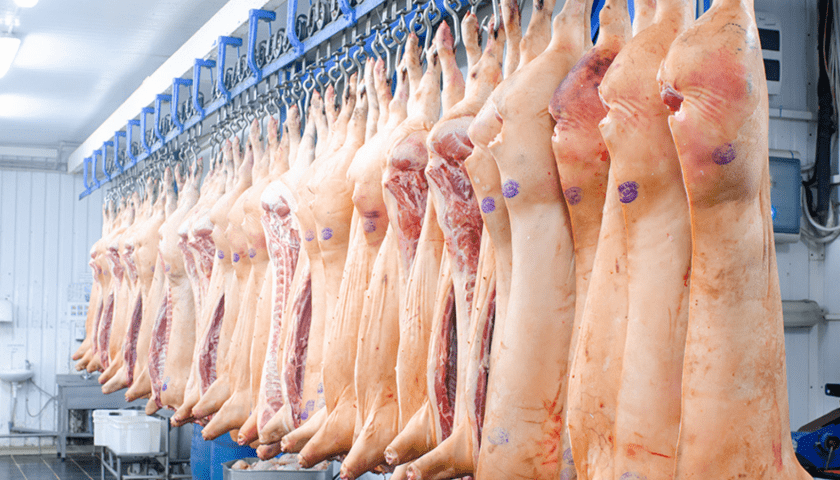
CHINA – China’s meat sector is battling a deepening oversupply crisis, with pork, chicken, and duck prices dropping significantly in the first half of 2025.
Livestock producers across the board have recorded major losses, with analysts pointing to subdued demand from consumers and high inventory levels that are weighing heavily on the supply chain.
The pork market has suffered one of the steepest declines, as live hog prices in June sank to US$1.98 (¥14.45) per kilogram, according to China’s National Development and Reform Commission.
This was the lowest figure recorded in nearly a year and a half, far from the peak of US$5.17 (¥37.83) per kilogram seen in 2020.
Market analysts at Sublime China Information (SCI) predict that live hog prices will likely stay between US$1.89 and US$2.07 per kilogram in the second half of 2025, offering little relief for farmers.
In an attempt to stabilise the pork market, the Ministry of Agriculture and Rural Affairs announced plans to reduce the national breeding sow population by one million, targeting a new cap of 39.5 million.
Meanwhile, China’s poultry sector has also come under pressure, with production of white-feather broilers increasing by nearly 16% and broiler duck output rising by almost 25% in the first six months of the year.
This rise in supply has caused average broiler prices to fall by around 7% to US$0.97 (¥7.04) per kilogram, while live broiler chick prices hit US$0.77 (¥5.58) per kilogram in February—the lowest since 2018—and dropped again to the same level in early July.
Meat duck prices have been hit harder, with average rates dropping more than 15% in the first half of the year and some duck by-products, including duck necks, seeing price declines of over 40%.
A report from Waterfowl Market, an industry research group, warned that losses now stretch from breeders to processors, suggesting that one-third of existing duck production capacity may need to be cut to balance the market.
Weak Demand and Deflation Add Pressure
Beyond meat, China’s broader protein categories are also underperforming, reflecting an ongoing economic slowdown and persistent deflation in food prices.
According to ING’s Greater China chief economist Lynn Song, while the consumer price index returned to positive growth in June for the first time since January, food prices continued to fall by 0.3% year-on-year.
Pork prices dropped by 8.5%, and egg prices declined by 7.7%, making them the biggest contributors to food deflation, while only a few categories like fruit and aquatic products recorded gains.
Poultry producers expect a modest price recovery in the second half of the year during seasonal holidays, but analysts say weak consumer demand and high cold storage inventories will likely limit any meaningful improvement.
Sign up HERE to receive our email newsletters with the latest news and insights from Africa and around the world, and follow us on our WhatsApp channel for updates.