China’s zero-tariff policy cuts African fruit import costs by 17%, boosts trade
Moving forward, authorities plan to expand market access for a wider range of African products to sustain this growth.
CHINA – China’s zero-tariff policy for 53 African nations has significantly boosted economic engagement, reducing import costs for fresh produce by approximately 17% per container and delivering millions in tariff savings since taking effect on 1 May.
According to Shanghai Customs, imports from the 53 eligible African countries have exceeded US$176.8 million since the policy was introduced, with tariff reductions totalling about US$17.7 million.
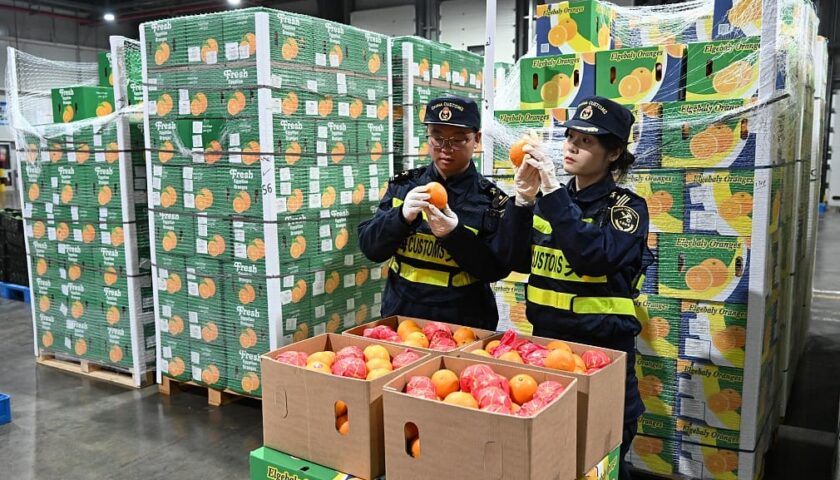
In addition, imports of African agricultural products have continued to rise under the measure, with preferential imports of African fruit reaching US$2.0 million and fresh-cut flower imports totalling US$61,000.
The policy transforms China-Africa agricultural trade by making African produce more price-competitive in the Chinese market and encouraging diversification of fruit and flower imports beyond traditional supplying regions.
Furthermore, logistical innovations have accelerated the import of African goods. For instance, expedited customs clearance measures are designed to handle perishable goods such as fruit and flowers more efficiently, ensuring product quality upon arrival.
Therefore, these streamlined processes reduce the risk of spoilage and enable African exporters to reach Chinese consumers with fresher produce.
Consequently, the zero-tariff policy has also supported the import of industrial components. According to Shanghai Customs, guidance and facilitation measures have helped companies improve clearance efficiency while benefiting from lower tariffs. This benefits African industrial parts manufacturers by making their products more attractive to Chinese buyers through reduced landed costs, potentially expanding market share.
Meanwhile, Shanghai Customs said it will continue to support trade between China and African countries through customs supervision and facilitation measures and by expanding market access for African products. These measures are designed to streamline international logistics and foster a stronger trading partnership between the two regions.
Moving forward, authorities plan to expand market access for a wider range of African products to sustain this growth. As a result, the zero-tariff policy represents a strategic commitment to facilitating long-term trade by reducing financial barriers and strengthening China-Africa commercial relations.
Lastly, by eliminating import duties and implementing customs facilitation measures, China aims to deepen economic engagement with Africa and support African export diversification.
Sign up HERE to receive our email newsletters with the latest news and insights from Africa and around the world, and follow us on our WhatsApp channel for updates.