China’s zero-tariff policy cuts Egyptian orange import costs, boosts trade
These streamlined customs procedures reduce delays and administrative burdens for importers.

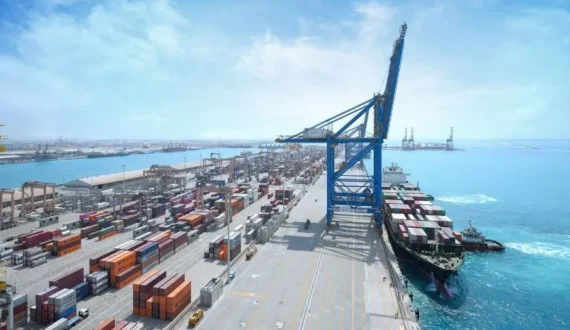
CHINA – China’s zero-tariff policy for African agricultural imports has delivered its first results, with 516 tons of Egyptian oranges cleared at Shanghai’s Waigaoqiao Port Area on May 1, receiving a tariff exemption of about US$47,456.
First, China extended zero-tariff treatment to all African countries with diplomatic ties from May 1. Egypt exported about US$26 million worth of fresh oranges to China in 2025 and ranked as the world’s largest exporter of fresh oranges. The policy aims to lower import costs and boost the volume of high-quality produce entering the Chinese market during its domestic off-season.
Egypt requires export orchards and packing facilities to register and has expanded its coding system to provide traceability from orchards to consumers. These quality control measures ensure Egyptian citrus meets high Chinese standards through automated sorting and grading, traceability systems, cold chain integrity, and strict registration requirements for export facilities.
Mahmoud El Bishbishy, an Egyptian agricultural exporter, said the Chinese market requires exporters to consistently supply fruit that meets Chinese standards. He regularly visits China to assess the market and gather customer feedback. This commitment to quality and market understanding has helped Egyptian exporters maintain their position in the competitive Chinese market.
Additionally, China has also upgraded its “green channel” for African agricultural and food products, speeding up quarantine approval and introducing a certificate-of-origin system to facilitate customs clearance. These streamlined customs procedures reduce delays and administrative burdens for importers.
Seasonal production cycles also influence demand for Egyptian agricultural imports by filling supply gaps during China’s domestic off-season, ensuring year-round availability for consumers.
With the zero-tariff measure in effect, import costs have fallen, while orders and import volumes for Egyptian oranges, grapefruit, and other agricultural products are expected to increase.
Moreover, the zero-tariff policy transforms trade relations between Egypt and China by reducing import costs, increasing trade volumes, strengthening diplomatic ties, attracting foreign investment, and diversifying Egypt’s trade structure.
The initiative is a significant milestone in the two countries’ 70-year diplomatic relationship, fostering economic growth and foreign investment.
Finally, by streamlining customs clearance through “green channels,” both nations hope to diversify trade and strengthen their long-term agricultural partnership. This shift positions Egypt to solidify its status as a premier global fruit provider while satisfying growing Chinese consumer demand.
Sign up HERE to receive our email newsletters with the latest news and insights from Africa and around the world, and follow us on our WhatsApp channel for updates.