
Côte d’Ivoire cashew processors gain ground as global trade shifts
A surge in local cashew processing is reshaping Côte d’Ivoire’s market as Asian buyers retreat due to U.S. tariffs and tighter border controls.
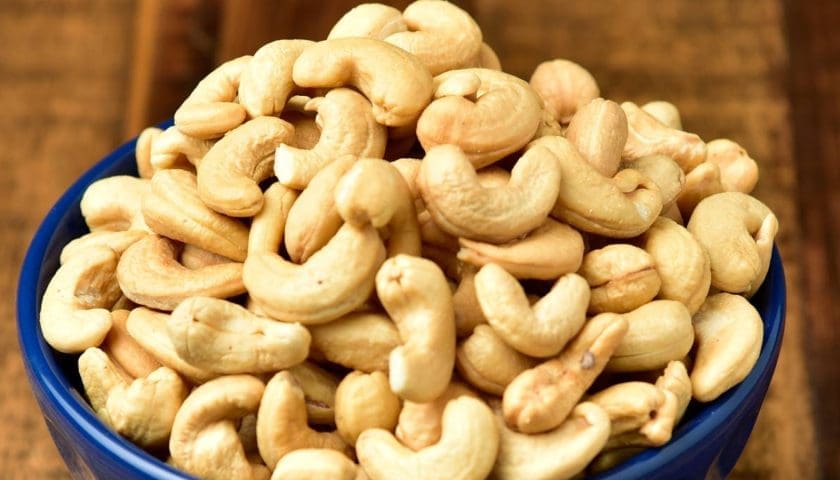
COTE D’IVOIRE – Cashew processors in Côte d’Ivoire are taking advantage of a sudden shift in global trade, sparked by new U.S. tariffs on Asian markets and a clampdown on smuggling.
The country has already seen a record 650,000 tonnes of raw nuts delivered to its factories since January 2025, according to Mamadou Berté, director general of the Cotton and Cashew Council (CCA).
“This is the first time we’ve reached this volume this early in the season,” Berté told Reuters on May 7. “It shows that our domestic processing sector is growing stronger.”
A turning point for the industry
Côte d’Ivoire is Africa’s largest producer of cashew nuts, but it has long depended on exports to Vietnam and India for processing. That trend reversed this year.
With the U.S. increasing tariffs on processed products from Vietnam (46%) and India (26%), Asian firms are pulling back. These two countries usually import 90% of the raw nuts from Côte d’Ivoire, but so far in 2025, Vietnamese buyers have taken only 200,000 tonnes – down from as much as 800,000 tonnes last year.
The slowdown has left more nuts available locally, helping processors expand their operations. Factories now expect to process about half of Côte d’Ivoire’s 1.3 million tonne harvest this year, compared to just 34.7% predicted earlier in the season.
“We see more raw material on the market, and that gives us a chance to scale up,” said a factory manager based in Bouaké. “But the drop in prices at the farm gate is a real concern.”
Smuggling clampdown boosts local supply
Alongside the international changes, the government’s “Lock 322” operation has curbed cross-border smuggling of raw cashew and cocoa.
This initiative involves Côte d’Ivoire’s security forces and has tightened border controls with Ghana and Burkina Faso. As a result, more nuts are staying within the country, feeding local processors.
The Cotton and Cashew Council also confirmed that the increased local supply has driven prices down sharply – from 425 FCFA to between 200 and 300 FCFA per kilo. While this benefits processors, it threatens farmers’ earnings.
“We must make sure producers don’t lose out while factories grow,” Berté said. “This year shows both progress and pressure.”
Though this shift brings fresh opportunities for local industrial growth, it highlights the country’s exposure to outside markets. The sudden drop in exports and field prices has left many producers uncertain.
Sign up HERE to receive our email newsletters with the latest news and insights from Africa and around the world, and follow us on our WhatsApp channel for updates.