Egypt issues 1,165 livestock, poultry licenses as poultry prices fall and red meat costs rise
Market data shows declining poultry prices alongside rising red meat costs amid economic pressure
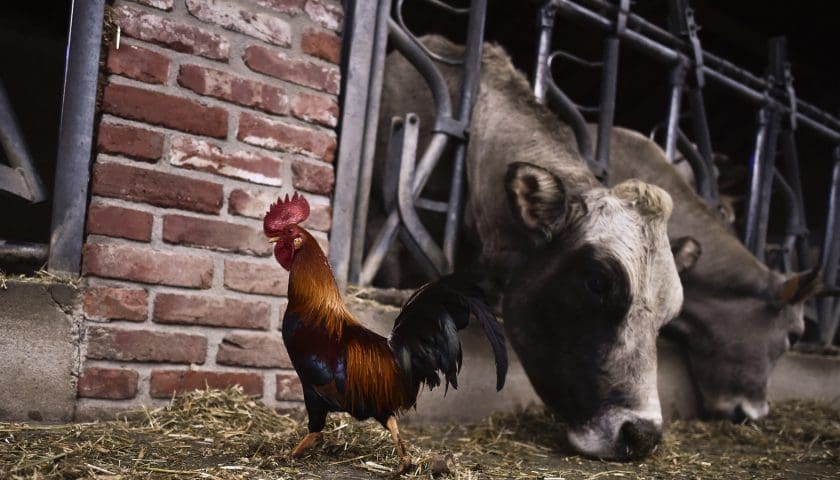
EGYPT – Egypt’s Ministry of Agriculture and Land Reclamation said it issued approximately 1,165 operating licenses for livestock and poultry projects during December 2025, demonstrating ongoing regulatory activity in the sector.
The announcement was made through the Livestock and Poultry Development Sector and covered permits granted for production, feed-related operations, and milk collection facilities.
According to the ministry, the licenses included a combination of renewals and new approvals spanning livestock farming, poultry operations, animal feed manufacturing, and related activities.
Minister of Agriculture Alaa Farouk disclosed the figures after reviewing a monthly performance report submitted by sector head Tarek Soliman.
The report outlined the regulatory actions carried out in December as part of the ministry’s routine oversight of animal production activities.
Within the total number of permits, Soliman said 312 licenses were granted to small-scale livestock breeders seeking authorization to operate.
These permits were issued on the condition that breeders comply with biosecurity standards applied in coordination with the General Authority for Veterinary Services.
In addition, the ministry approved 654 registrations for feed mixtures, additives, and concentrated feed products during the month.
Of these feed registrations, 415 related to domestically produced items, while 239 were approved for imported products entering the Egyptian market.
The sector also granted 91 technical approvals for the establishment of new livestock and poultry production projects.
Together, these measures form part of the government’s administrative framework governing animal production and input supplies.
Market Conditions and Protein Prices
Meanwhile, recent market data pointed to diverging trends in Egypt’s food prices during mid-December, particularly within protein categories.
Poultry prices continued to decline, offering some relief for consumers managing household food expenses.
In contrast, red meat prices recorded sharp increases, raising concerns about access to higher-cost animal proteins.
These opposing movements reflected broader economic pressures, seasonal production cycles, and shifting supply-demand balances.
Poultry remained one of the most accessible protein sources for Egyptian households despite broader inflationary pressures.
Daily poultry prices stayed well below levels recorded a month earlier and compared with the same period last year.
Analysts attributed the decline to improved domestic supply, stable farm output, and easing costs for key inputs such as feed.
As living expenses continue to climb, many households have increasingly relied on poultry as an alternative to more expensive meats.
The continued drop in poultry prices also suggested more efficient movement of products through processing and distribution channels.
Sign up HERE to receive our email newsletters with the latest news and insights from Africa and around the world, and follow us on our WhatsApp channel for updates.