

Ethiopia opens logistics sector to full foreign ownership, ends 49% cap on investment
The success of the reform will depend on how quickly it reduces trade costs, improves logistics services, and makes supply chains more reliable.
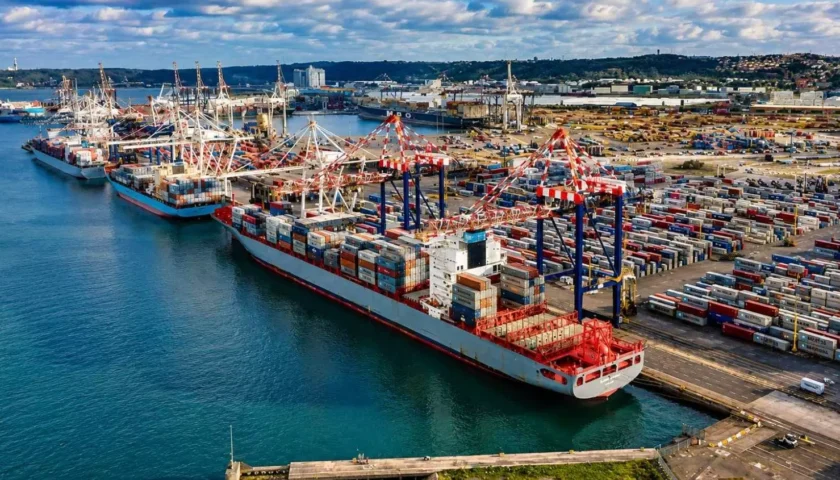
ETHIOPIA – Ethiopia has opened its logistics sector to full foreign ownership, removing the long-standing 49% cap on foreign participation to attract investment, capital, and technical expertise to improve the country’s trade and supply chain capabilities in one of East Africa’s key trade markets.
The policy change allows international investors to hold full ownership of companies in the logistics sector, marking a significant shift in Ethiopia’s approach to supply chain development.
The announcement comes amid growing investor interest, highlighted at the UK-Ethiopia Trade and Investment Forum in London, where trade between the two countries, currently valued at approximately US$900 million, continues to expand.
Major infrastructure projects, including the US$13 billion Bishoftu International Airport, are expected to support the country’s logistics and trade ambitions. The focus now shifts to ensuring the reforms are implemented effectively and deliver tangible benefits for traders, businesses, and the wider economy.
UK Partnerships and Skills Development
The Ethiopian government is collaborating with British organizations to enhance the professional skills of domestic freight forwarders and logistics professionals.
A proposed three-year partnership between the British International Freight Association and the Ethiopian Freight Forwarders and Shipping Agents Association aims to enhance the skills and knowledge of Ethiopian freight forwarders, strengthen logistics training, and provide technical support to local companies.
Infrastructure Investment and Trade Growth
The US$13 billion Bishoftu International Airport will provide additional cargo capacity for time-sensitive exports and improve connectivity with international markets.
Alongside the policy reforms, these infrastructure developments aim to reduce trade costs and strengthen commercial ties between Ethiopia and the global economy.
Reform Implementation and Sector Impact
The success of the reform will depend on how quickly it reduces trade costs, improves logistics services, and makes supply chains more reliable.
In addition, the policy change is expected to encourage greater inflows of capital and technical expertise, and to promote more efficient operating models.
Moreover, the policy is expected to promote more efficient operating models, reduce trade costs, and strengthen commercial ties between Ethiopia and the global economy.
As the reforms take effect, Ethiopia is positioning itself as a more competitive regional trade hub, with improved logistics, lower trade costs, and more reliable supply chains that benefit traders, businesses, and the wider economy.
Sign up HERE to receive our email newsletters with the latest news and insights from Africa and around the world, and follow us on our WhatsApp channel for updates.