

EU pork trade holds steady – ISN
EU pork exports have shown minimal change in 2024.
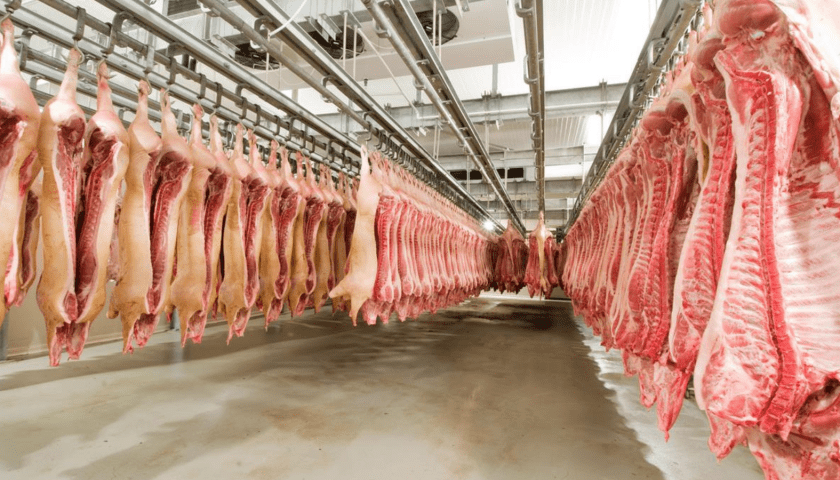
EUROPE – Pork exports from the European Union have stayed largely stable in 2024, with total shipments reaching 4.264 million tonnes, up just 0.4% from the previous year, according to recent figures from the German livestock association ISN, citing the European Commission.
Despite the slight uptick, exports remain well below the 6 million tonnes recorded during the peak years of 2020 and 2021.
Demand from China, still the largest buyer of EU pork, dropped by 3.1% year-on-year to 1.12 million tonnes, a sharp contrast to the 3.34 million tonnes imported during the height of its African swine fever crisis.
Exports to the United Kingdom also declined slightly, falling 0.7% to 895,700 tonnes.
In contrast, the Philippines emerged as a stronger market, with imports rising by 26.1% to 366,500 tonnes, positioning it as the EU’s third-largest pork destination.
Other markets such as South Korea, Vietnam, and the United States also saw increases, with US imports of EU pork climbing 11.6% to 113,900 tonnes.
On the import side, EU pork purchases declined by 3.8% compared to 2023, primarily due to reduced volumes arriving from the UK.
Japan’s Pork Outlook Remains Steady
Meanwhile, in Japan, domestic pork production is projected to remain consistent in 2025, even as inflationary pressures and transport challenges continue to affect the broader food supply chain.
A report from the U.S. Department of Agriculture’s Foreign Agricultural Service (USDA FAS) shows that producers are keeping herd sizes steady and focusing on maintaining output rather than expanding operations.
Although sow numbers dropped slightly in 2024, consistent slaughter volumes and stable carcass weights have helped ensure production levels do not decline.
Higher feed costs—still above pre-pandemic levels—are placing financial pressure on farmers, but elevated carcass prices have helped mitigate some of these costs.
The sector avoided major disruptions in 2024, with no significant disease outbreaks affecting production or supply.
Japan’s pork import volumes are expected to dip slightly in 2025, following a build-up of stock in cold storage at the end of 2024.
Limited freezer capacity and a shortage of truck drivers have forced importers to scale back their purchases and prioritize a more manageable inventory.
This shift has led to increased demand for cheaper frozen pork, especially from Brazil, where import volumes jumped by 124% compared to the previous year.
Sign up HERE to receive our email newsletters with the latest news and insights from Africa and around the world, and follow us on our WhatsApp channel for updates.