

European alternative protein market records US$509M investment in 2024
While this growth signals rising confidence in the sector, experts caution that the industry remains immature, with large funding rounds occasionally distorting overall progress.
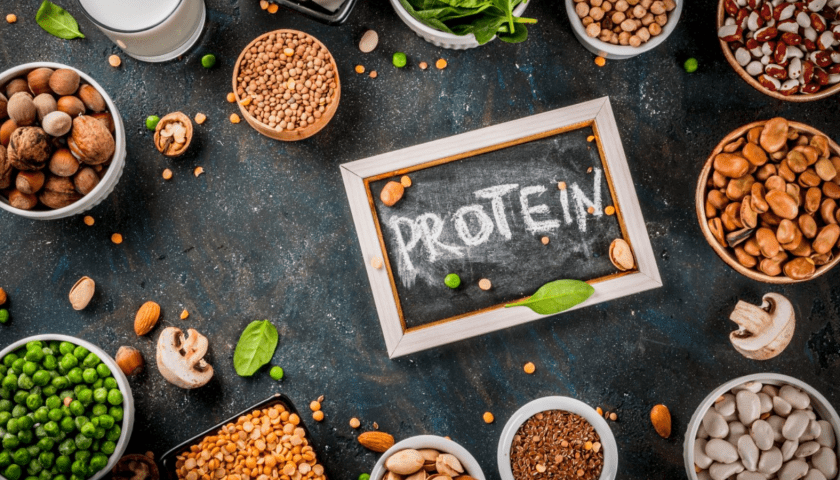
EUROPE – According to the data compiled by Net Zero Insights (NZI), European alternative protein companies attracted nearly US$509 million in investment during 2024, reflecting a 23% increase from the previous year.
The data, analysed by the Good Food Institute (GFI), highlights a promising trend in the alternative protein landscape, particularly in precision fermentation and biomass fermentation.
It outlines broader trends in the industry, including increasing consumer interest in alternative proteins driven by health, sustainability and taste considerations.
Research indicates that nearly half of consumers in several European countries are open to trying precision fermentation-enabled products, but education remains key to unlocking this demand.
Companies focused on precision fermentation, which employs organisms like yeast to create ingredients that mimic the taste and texture of traditional animal products, raised approximately US$130 million over three times the amount secured in 2023. Meanwhile, biomass fermentation firms garnered US$129 million, marking a 10% increase.
Investment in privately held plant-based companies, which dominate the European alternative protein ecosystem, rose by 37% to US$181 million.
Helene Grosshans, Infrastructure Investment Manager at GFI Europe, said, “It’s positive to see overall growth in investment during 2024. But these figures demonstrate that the region’s alternative protein ecosystem remains immature, with large individual deals such as those seen in 2023 still capable of skewing figures from one year to the next.”
Funding for cultivated meat products fell sharply, declining by 59% to US$52 million. This decrease can be attributed to the previous year’s large deals that distorted the funding landscape. Companies that secured significant funding in 2024 primarily focused on preparing for market entry.
As the global demand for meat continues to rise, the alternative protein ecosystem is seen as a crucial component in diversifying food sources and mitigating environmental impacts.
The World Bank highlighted the potential of alternative proteins, ranking them as a top intervention for climate mitigation, with the ability to reduce greenhouse gas emissions significantly.
Additionally, the report indicated Asia as a potential leader in alternative protein innovation, with substantial government investments and a growing number of start-ups entering the market.
Countries like Singapore are establishing themselves as hubs for research and development, creating opportunities for collaboration and commercialisation on a global scale.
Sign up HERE to receive our email newsletters with the latest news and insights from Africa and around the world, and follow us on our WhatsApp channel for updates.

