
FAO investigates microbiological risks of Clostridia in foods
The outcomes of this expert consultation are meant to help reduce risks posed by pathogenic Clostridia and ensure safer food for consumers worldwide.
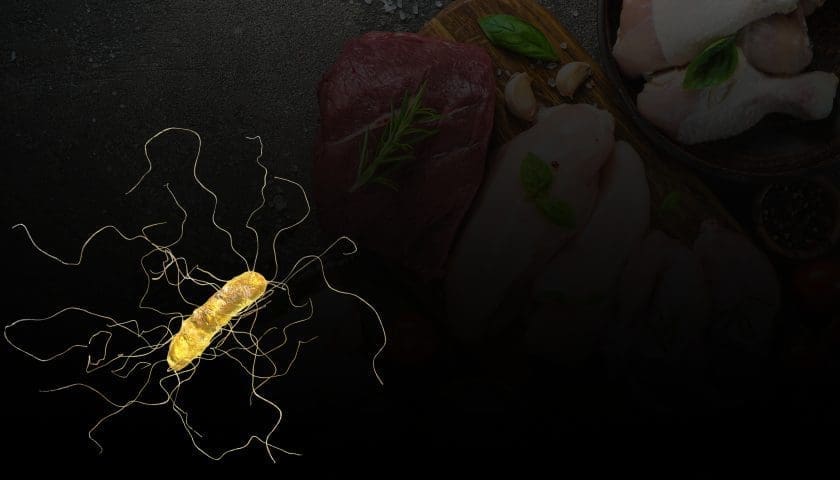
ITALY – The Food and Agriculture Organization of the United Nations (FAO) hosted an expert meeting on the microbiological risk assessment of Clostridium species in foods at its headquarters in Rome, Italy, from February 17 to 21, 2025.
This gathering brought together leading scientists and food safety experts to review the latest research, epidemiological data, global surveillance findings, and assess the burden of Clostridium-related foodborne diseases.
Clostridia’s danger lies in their ability to form spores, unlike other common bacterial causes of foodborne disease, such as Salmonella, Campylobacter, and Listeria. These spores persist for a long time, enabling bacteria to survive harsh conditions and germinate into toxic-producing cells when conditions improve.
More alarmingly, they are also resistant to standard food safety control measures such as cooking, pasteurisation, and antimicrobial treatments, including sanitisers.
The committee assessed the risks and devised strategies for addressing Clostridium botulinum, Clostridium perfringens, and Clostridioides difficile, the species of known and emerging significance to food safety.
Clostridium botulinum
FAO terms BoNT “the most potent toxin known to humanity,” whose severity and duration can be reduced by ready access to botulinum antitoxin.
Botulinum neurotoxins (BoNT)- producing clostridia, cause intestinal botulism and foodborne botulism, a severe and potentially fatal neuroparalytic disease resulting from the ingestion of a preformed toxin in improperly preserved foods.
Although the source of spores is unknown in most cases of adult intestinal and infant botulism, the predominant sources have been honey and the environment, e.g. from dust and soil, where ingesting as few as 10 spores may result in infant botulism.
While established control measures are available to reduce or eliminate botulinum spores through thermal treatments, the mouse bioassay, the ‘gold standard’ assay for detection and quantitation of BoNT, has a downside of requiring costly, specialised facilities with a high level of technical competency. It also has safety and ethics concerns.
Clostridium perfringens
Clostridium perfringens is one of the most common causes (with some underreported) of foodborne gastrointestinal diseases, causing large outbreaks often associated with mass catering.
Internationally, the predominant foods associated with foodborne outbreaks of C. perfringens are meat and poultry products/dishes that support multiplication during temperature abuse.
Control measures to reduce the multiplication of C. perfringens in potentially hazardous foods rely on maintaining stringent temperature control during cooling and hot-holding, reheating, and/or inhibitory product formulations.
Clostridioides difficile
Clostridioides difficile may already be present in the large intestine and overgrow after antibiotic use, producing toxins that cause antibiotic-associated Clostridioides colitis. Its epidemiology is changing from predominantly healthcare-associated to community-acquired infection.
Clostridioides difficile is emerging as a food-associated pathogen, although outbreaks or sporadic cases of the foodborne disease have yet to be reported. It is common in food animals and foods of plant and animal origin.
Currently, methods for detecting and enumerating C. difficile in various foods are available, but they are not standardised and vary in their effectiveness.
Expert committee conclusions
Due to a lack of sufficient baseline data on and routine monitoring of the occurrence and levels of clostridia in the agrifood system, identifying and controlling food sources of clostridial disease remains a challenge. The expert committee, therefore, conducted a needs assessment to address these gaps.
They concluded that improved investigation of foodborne illness and outbreaks will enhance the understanding of contributing causes and inform the development of intervention strategies to prevent these infections.
The outcomes of this expert consultation are meant to contribute to the development of improved international food safety guidelines, helping to reduce the risks posed by Clostridium spp. and ensure safer food for consumers worldwide.
Sign up HERE to receive our email newsletters with the latest news and insights from Africa and around the world, and follow us on our WhatsApp channel for updates.