

Germans are becoming more open to eating 3D-printed cultivated meat – survey
Younger generations show growing interest, but concerns about cost and health risks remain.
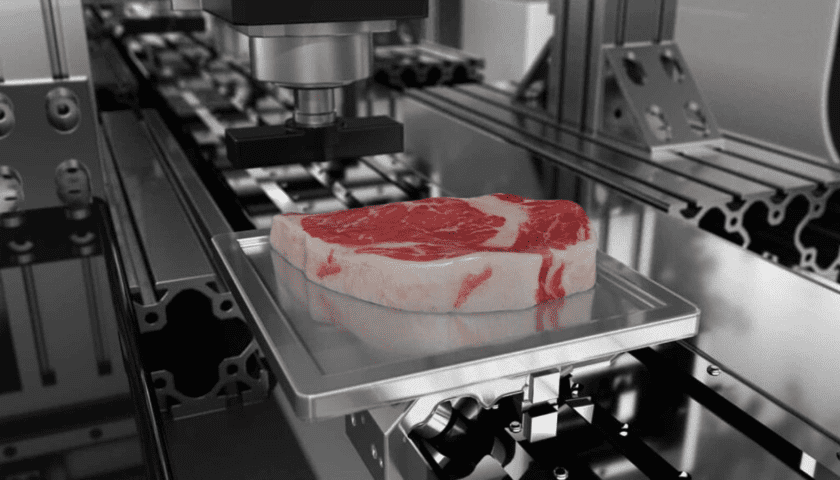
GERMANY – A new survey reveals that one in four Germans are open to eating cultivated meat produced using 3D printing technology, a significant increase from just 13% in 2019.
Germany, known as Europe’s biggest market for plant-based foods, has consistently embraced food technology innovation, particularly among its younger population.
The latest research, conducted by Bitkom Research in March and April 2025, surveyed 1,004 individuals aged 16 and above to assess their views on consuming cultivated meat shaped through 3D printing.
According to the findings, consumers aged between 30 and 49 were most receptive, with 35% saying they would try such products, followed closely by the 16–29 age group at 33%.
In contrast, interest was significantly lower among older Germans, with only 18% of those aged 50–64 and 16% of respondents over 65 expressing willingness to eat 3D-printed meat.
Sustainability matters, but affordability remains a barrier
Although nearly a third (31%) of those surveyed believe 3D-printed cultivated meat could support a more sustainable food system, only 7% say they would pay more for it.
A notable portion, about 17%, views these products as luxury items, suggesting that the high production costs continue to limit consumer access and perception.
Industry experts attribute the high price to the small-scale nature of current production, although efforts over the past decade have led to significant cost reductions in some cases.
Despite these advances, a McKinsey analysis suggests that cultivated meat may not reach price parity with conventional meat until around 2030.
To offset costs, some companies have focused on high-value species, such as BlueNalu’s cultivated bluefin tuna toro, Forsea Foods’ Japanese eel, and Vow’s quail and foie gras.
German consumers may first encounter these products through gourmet items, with Paris-based Gourmey and Dutch company Mosa Meat having submitted regulatory applications for foie gras and beef fat-based meat alternatives in the EU.
Germans show interest in home-use 3D food printers
Sixteen percent of Germans say they would like to use a 3D printer to produce food tailored to their tastes, and 15% think the devices could become common household appliances.
Currently, food printers are mainly used in commercial kitchens due to their cost and reliance on specialised ingredients, according to Bitkom’s digital farming officer Margareta Maier.
She noted that the technology allows for meat-like appearance and texture with a lower environmental impact, aligning with the growing consumer interest in alternatives to conventional meat.
Manufacturers use 3D printing to create scaffolds for cultivated meat, with firms such as Steakholder Foods, Aleph Farms, Believer Meats, and Good Meat adopting the process.
Other scaffold techniques in use include electrospinning, hydrogels, decellularisation, and mycelium-based structures.
The growing openness to 3D-printed meat reflects broader dietary shifts in Germany, where nearly half of surveyed citizens support the government funding this technology and helping farmers adapt.
These trends come as more Germans look to cut back on traditional meat, with one-third aiming to reduce their intake and 38% seeking plant-based alternatives.
Sign up HERE to receive our email newsletters with the latest news and insights from Africa and around the world, and follow us on our WhatsApp channel for updates.