Global fish stocks facing mounting pressure, FAO says in new report
Overfishing continues to rise as regional disparities persist in marine resource management
WORLD – The Food and Agriculture Organization (FAO) of the United Nations has released its 2025 update on the status of global fishery resources, revealing growing concerns over the sustainability of marine ecosystems.
The report shows that 35.5% of the world’s fish stocks are now categorized as overexploited, meaning they are being harvested faster than they can reproduce.
This level of exploitation is largely attributed to fishing practices that reduce breeding populations and target immature fish before they reach reproductive age.
While 64.5% of global fish stocks are still harvested at sustainable levels, the FAO highlights stark differences between regions.
In West Africa, spanning from Morocco to the Gulf of Guinea, more than half of the marine fish populations are overfished.
The situation is even worse in the Mediterranean and Black Seas, where an estimated 65% of fish stocks fall into the overexploited category.
However, the report contrasts these regions with parts of the Pacific, where stricter regulations appear to be working.
On the west coast of the United States and Canada, over 90% of fish stocks are reportedly managed within sustainable biological limits.
Similarly, more than 85% of stocks in Australia and New Zealand are harvested responsibly under national management frameworks.
Despite these successes, the global rate of overfishing has continued to inch upward at a pace of 1% per year in recent times, according to FAO data.
Sustainable Management Showing Results in Some Areas
The organization notes that where robust systems of oversight, funding, and compliance exist, fish populations can be restored to healthy levels.
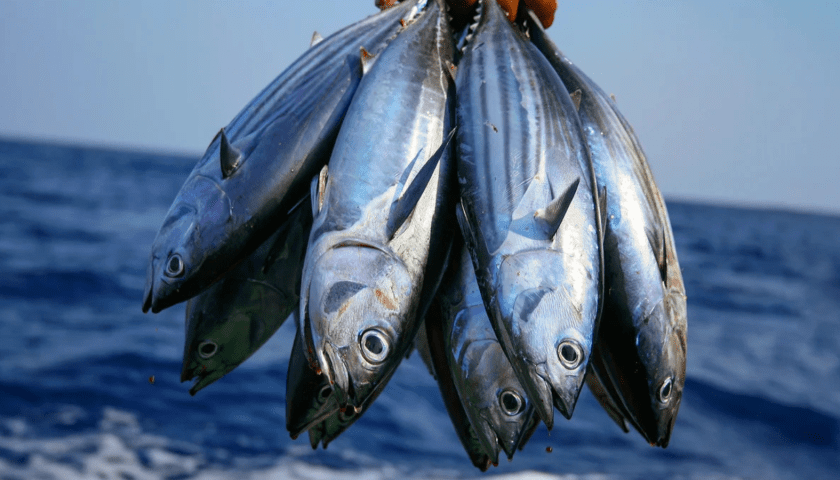
One example is the recovery of tuna populations, which had previously been in decline but are now fished within sustainable limits in 87% of major stocks.
The FAO reports that nearly all the global trade in tuna, accounting for 99% of the market, is currently sourced from these better-managed stocks.
Manuel Barange, Director of the FAO’s Fisheries and Aquaculture Division, said the turnaround in tuna populations shows the impact of effective monitoring and enforcement.
He emphasized that rather than assigning blame, struggling regions need support to understand their specific challenges and rebuild fish populations accordingly.
Beyond the environmental impact, the FAO estimates that 600 million people worldwide rely on fishing and aquaculture for their livelihoods, either through consumption, employment, or commerce.
Sign up HERE to receive our email newsletters with the latest news and insights from Africa and around the world, and follow us on our WhatsApp channel for updates.