Published

WORLD – The Food and Agriculture Organization (FAO) has unveiled its annual report on global food production, painting a nuanced picture for the livestock sector in 2024.
According to the FAO, global animal protein output is set to hit 371 million tons next year.
This overall growth is largely driven by positive trends in most regions, but Asia stands out with an anticipated decline due to reduced pork processing in China.
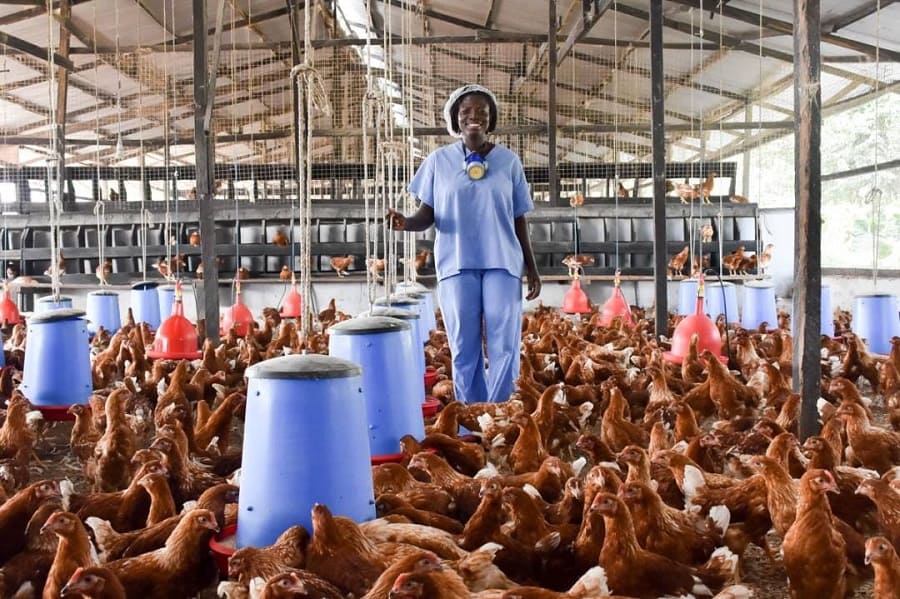
The poultry sector, particularly chicken meat, is poised for the most significant growth.
The FAO forecasts a 0.8% increase, translating to an additional 1.1 million tons and bringing the total to 146 million tons.
This rise is attributed to robust consumer demand, as chicken remains a cost-effective option despite global inflation.
Nevertheless, the sector faces hurdles, notably outbreaks of Highly Pathogenic Avian Influenza, which pose ongoing risks.
The global stability in chicken meat production masks substantial regional shifts.
While the United States experiences low production, the European Union and the United Kingdom have ramped up their output, compensating for the shortfall.
Meanwhile, Brazil and China, two major poultry producers, have kept their production levels steady, contributing to the overall balance in the global market.
Looking ahead, the FAO and OECD project poultry meat consumption to reach 91 million tons by 2032.
This growth is driven by the perception of poultry as a healthy, affordable protein source compared to other meats, combined with its lower fat content.
Beef production is also on the rise, with a projected 0.7% increase in 2024, adding half a million tons to the global supply.
However, this growth is unlikely to translate into significant economic benefits due to the high prices of beef.
Conversely, the global pork sector faces a downturn, with production expected to drop by 0.9%, or approximately 1.2 million tons, compared to 2023.
This decline is mainly due to China’s measures to manage local oversupply and stabilize domestic prices.
Liked this article? Subscribe to Food Business Africa News, our regular email newsletters with the latest news insights from Africa and the World’s food and agro industry. HERE
No related posts.
We use cookies to improve your experience on our site. By using our site, you consent to cookies.
Manage your cookie preferences below:
Essential cookies enable basic functions and are necessary for the proper function of the website.
These cookies are needed for adding comments on this website.
Google's current Sign in with Google client library. It renders the Google sign-in button, or the One Tap prompt, so visitors can log in to your site with their Google account. It replaces the older Google Sign-In platform library.
Service URL: policies.google.com (opens in a new window)
Google Tag Manager simplifies the management of marketing tags on your website without code changes.
Statistics cookies collect information anonymously. This information helps us understand how visitors use our website.
Google Analytics is a powerful tool that tracks and analyzes website traffic for informed marketing decisions.
Service URL: policies.google.com (opens in a new window)
WPMU DEV Analytics is the visitor statistics feature of the WPMU DEV Dashboard plugin. It reports traffic and visitor behavior inside The Hub using a Matomo analytics instance hosted by WPMU DEV.
Service URL: wpmudev.com (opens in a new window)
Marketing cookies are used to follow visitors to websites. The intention is to show ads that are relevant and engaging to the individual user.
AddToAny provides share and follow buttons that let visitors post your pages to social networks, messaging apps, and bookmarking services.
Service URL: www.addtoany.com (opens in a new window)