

Hungary bans cultivated meat amid EU pushback
Lawmakers approve legislation restricting lab-grown meat production and sales
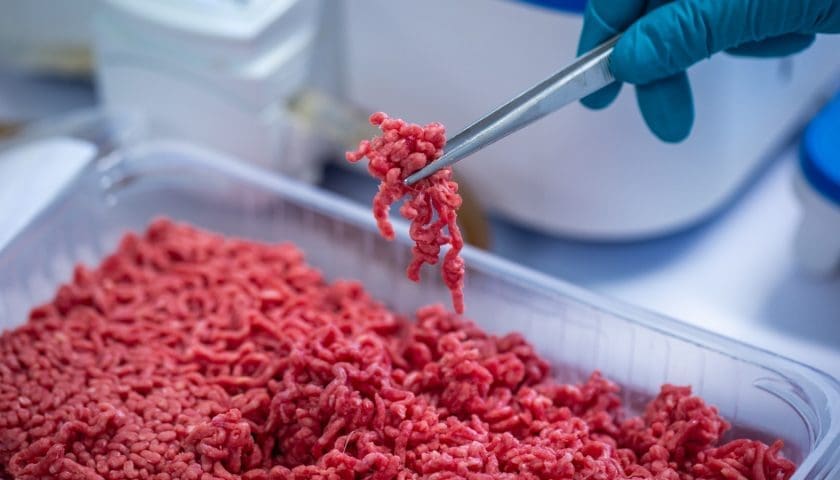
HUNGARY – Hungary’s parliament voted decisively on November 18 to prohibit the production, marketing, and sale of cultivated meat, with 140 lawmakers in favor, 10 against, and 18 abstaining.
The legislation allows exceptions only for medical and veterinary applications, effectively blocking the entry of lab-grown meat into the consumer market.
Agriculture Minister István Nagy justified the ban by emphasizing the need to protect traditional rural lifestyles, human health, and the environment from what he described as risks associated with non-traditional food technologies.
Nagy argued that food production must remain connected to farmland as a cornerstone of Hungarian culture, warning that widespread adoption of lab-grown meat could alter European lifestyles and traditions.
Hungary follows Italy, which imposed a similar ban in 2023, despite criticism from other EU member states and the European Commission, which called the move unnecessary and damaging to the single market.
ProVeg International’s Valentina Gallani said the ban was disappointing, noting that cultivated meat can offer a sustainable protein alternative without replacing conventional animal farming.
The Hungarian government’s campaign against cultured meat began in January 2024, when Nagy criticized the industry following a meeting with Ettore Prandini, president of the Italian farmers’ association Coldiretti.
Prime Minister Viktor Orbán added his voice later that year, claiming in his annual state-of-the-nation address that the EU was promoting artificial meat and low-quality GMO products in Hungary.
During Hungary’s EU Council presidency in July 2024, officials pushed for measures to protect European culinary traditions from novel foods, igniting criticism from countries including the Netherlands, Czech Republic, Lithuania, and Sweden.
Experts and EU officials highlighted that Hungary had not provided sufficient risk assessments to justify health or environmental concerns, and that the ban could conflict with EU law.
Hungary submitted a Technical Regulations Information System notification to the European Commission to explain its plans, but the justification was rejected by the executive body and several member states.
Deputy Prime Minister Zsolt Semjén formally introduced the bill in March 2025, which eventually passed parliament and is now awaiting final presidential approval within five days.
Semjén argued that technologies differing from traditional production posed potential threats to fundamental values, supporting a comprehensive ban on laboratory-grown meat.
Nagy reiterated that Hungary would only permit lab-grown meat for medical or veterinary purposes, emphasizing the government’s commitment to food systems linked to local farmland.
Consumer sentiment contrasts with the ban, as surveys indicate over 60 percent of Europeans and around 55 percent of Hungarians support cultivated meat sales if regulatory safety standards are met.
Only two EU companies, Parima, producing cultivated duck, and Mosa Meat, producing beef fat, have applied for human food approval, with both expected to reach the market at least a year from now.
The European Commission has argued that measures like Hungary’s are premature, since lab-grown meat has yet to enter European supermarkets and remains under regulatory review.
Sign up HERE to receive our email newsletters with the latest news and insights from Africa and around the world, and follow us on our WhatsApp channel for updates.