
IFAD advocates to boost innovative finance in fishing industry
UN conference highlights the need for innovative financing and policy reform to help fishing communities protect oceans and sustain livelihoods.
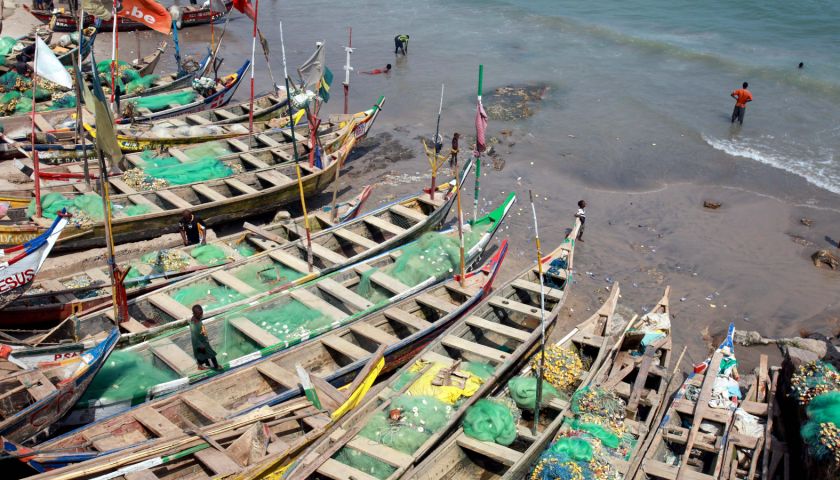
AFRICA – Governments, financial institutions and private companies are being urged to rapidly increase funding solutions that support small-scale fishers and coastal communities to improve sustainability and secure income.
This call is being made by the International Fund for Agricultural Development (IFAD) at the United Nations Ocean Conference taking place in Nice, France, from 9 to 13 June.
Pieternel Boogaard, IFAD’s Managing Director for the Office of Technical Delivery, said just before the event that the state of the world’s oceans is declining fast and investing in these communities now would benefit both the environment and local economies.
Boogaard emphasized that there are already proven financial models available and that the priority should be to scale them without delay.
During the conference, she will promote the use of blended finance strategies that allow public entities, private investors and charitable organizations to share financial risks and combine funding.
She will also point to carbon trade mechanisms as a viable source of funding for marine conservation, including initiatives such as mangrove reforestation and seaweed farming, both of which contribute to carbon absorption.
Boogaard plans to present examples from IFAD’s experience in supporting public-private partnerships to strengthen local fisheries by incorporating environmentally friendly tools like solar-powered dryers and cold storage units.
Such technologies have been used to minimize post-harvest losses, which can amount to nearly one-third of the total catch, due to the rapid spoilage of aquatic products.
In addition, Boogaard is set to discuss how blue bonds and IFAD’s sustainable development bonds, first issued in 2022, can offer financial access to coastal communities vulnerable to the effects of climate change and overfishing.
Another key message from IFAD at the summit is the urgent need to eliminate harmful fishing subsidies and instead redirect these funds to support sustainable fishing practices.
As a technical partner to the World Trade Organization’s Fisheries Funding Mechanism, IFAD supports the implementation of global rules aimed at curbing destructive subsidies while still addressing the needs of fishers in lower-income countries.
Despite the estimated US$175 billion needed annually to conserve and sustainably manage oceans, investments between 2015 and 2019 reached less than US$10 billion.
Small-scale producers account for around 90 percent of the world’s fish and aquaculture supply, and nearly 492 million people, half of whom are women, rely at least partly on small-scale fisheries for their livelihoods.
Since 2010, IFAD has financed about 130 projects related to fisheries and coastal economies, with US$1.4 billion allocated to support an estimated 80 million individuals, including fishers, traders and processors from marginalized groups.
Sign up HERE to receive our email newsletters with the latest news and insights from Africa and around the world, and follow us on our WhatsApp channel for updates.